In Mozambique, Tamara José Sande’s research improves Irish potato productivity
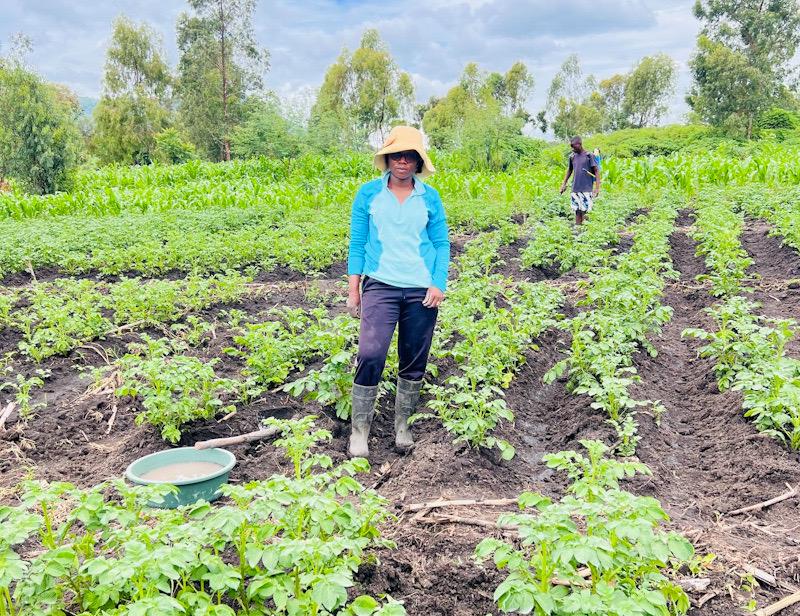

African women researchers. Season 2. Episode 5. For Tamara José Sande, the real value of agricultural research is not simply publishing scientific papers or generating new knowledge.
“It is ensuring that this knowledge eventually reaches the people who need it and contributes to meaningful improvements in their lives,” the 40-year-old agronomist told Agripreneurs d’Afrique.
The lecturer at Zambeze University in Mozambique believes that research should not remain confined to experimental plots, and “must be communicated in ways that farmers can understand and apply.”
Introduction of our series
For her, once the research is completed and the effective strategies are validated, the priority should always be to strengthen engagement with local farmers through field demonstrations, agricultural extension activities, training sessions and collaboration with agricultural institutions.
“I see farmers not merely as beneficiaries of research but as essential partners in the process of developing and adapting agricultural technologies to their realities,” José Sande said.
Her research focuses in soil science, particularly soil fertility management and plant nutrition. She is actually a PhD candidate in Soil Science at Sokoine University of Agriculture in Tanzania, where her research concentrates on improving Irish potato productivity through integrated nutrient management strategies.
In a paper published in October 2026 in Agronomy, Tamara José Sande and her colleagues discovered for example that integrated nutrient management (INM) improved nutrient availability, moderated soil acidity and toxicity, and supported potato productivity, providing an ecologically sustainable strategy for fragile tropical agrosystems.
The study consisted of replicated field experiments conducted across three sites and two consecutive cropping seasons (2022–2023 and 2023–2024) in two major potato-producing districts of Tete Province, Mozambique: Tsangano and Angónia.
“We found that some integrated nutrient management treatments, combining organic and inorganic fertilisers with a biological approach to phosphorus nutrition, achieved macro- and micronutrient uptake patterns comparable to those obtained with conventional mineral fertiliser treatments,” the mother of three daughters explained.
For Agripreneurs d’Afrique, Tamara José Sande shares her passion for Agriculture, her research work, and her life as a woman in science in Mozambique in particular, and Africa in general.
Your first encounter with agriculture took place at your grandmother’s farm…
My passion for agriculture dates back to my childhood. During school holidays, I often visited my grandmother, where I enjoyed joining my cousins in small farming activities on her land. Even when I was at home, I would find a small piece of land where I could plant beans simply because I was curious to observe how they germinated and grew.
At that age, I did not understand the significance of those little activities. Looking back, however, I realise that they were early signs of a passion that would eventually shape my professional journey.
What started as childhood curiosity gradually developed into a genuine interest in understanding agriculture, how plants grow, and how we can improve agricultural production.
Then, an “important conversation” with your father will change the trajectory of your future career…
Initially, my family did not necessarily recognise those childhood activities as signs of a future career in agriculture. They were simply part of my everyday life, so there was no specific encouragement to become a researcher at that stage.
However, I remember an important conversation with my father when I was growing up. He once asked me what profession I wanted to pursue. He suggested medicine, but I quickly realised that I was not comfortable with the idea of dealing with human suffering and the difficult situations commonly encountered in hospitals.
That conversation encouraged me to reflect more seriously on my future, and I began considering agriculture as a career. It was at that moment that my passion for agriculture became a conscious professional ambition.
Season 1 : six episodes
Fortunately, when I shared my decision with my father, he supported me wholeheartedly. My entire family also stood behind me. I particularly remember my father taking me to the city where my university was located when I was about to begin my undergraduate studies. That gesture meant a great deal to me. It made me feel responsible for making the most of the opportunity and deeply committed to making my father and family proud.
I never experienced significant resistance from my family regarding my choice of career. On the contrary, their support gave me the confidence to pursue my ambitions.
From lecturer to field researcher…
After completing my undergraduate studies in Agronomy, I applied for employment without specifying a particular institution or location. At the time, my greatest ambition was to work within government agricultural services, where I could interact directly with smallholder farmers and help them overcome the challenges they faced in their daily agricultural activities.
However, life had a different plan for me. I was selected to fill a vacancy at Zambeze University as a lecturer. Initially, I felt somewhat intimidated because I understood that possessing knowledge and being able to communicate it effectively, so that others could understand and use it to make informed decisions, were two very different things. Teaching was a significant responsibility, and I knew I had a great deal to learn.
Nevertheless, I accepted the opportunity, and that decision marked the beginning of my academic career and, eventually, my journey into scientific research.
As part of my responsibilities, I supervised undergraduate students throughout the development and completion of their research projects and dissertations. Working closely with students exposed me to different agricultural challenges and strengthened my interest in finding practical solutions through research.
Zambeze University is located in a predominantly agricultural and productive region of Tete Province, where many communities depend on agriculture for their livelihoods. I gradually realised that the university had an important responsibility beyond teaching: it also needed to contribute to solving the challenges faced by surrounding farming communities.
I therefore recognised that, to teach effectively, supervise meaningful research and provide relevant solutions to farmers, I needed to continuously expand my own knowledge and research capacity.
This realization motivated me to pursue postgraduate studies and become more actively involved in research. What initially began as a desire to become a better lecturer gradually developed into a commitment to generating scientific knowledge that could address real agricultural challenges.
Your work focuses on areas such as soil science, soil fertility management and plant nutrition…
My specialisation in soil science and plant nutrition developed progressively through my professional experiences.
When I joined Zambeze University, I was assigned to work alongside a highly experienced professor specialising in soil science and plant nutrition. I assisted him during teaching sessions and was gradually given opportunities to deliver some lectures independently. This experience allowed me to develop my teaching skills while becoming increasingly familiar with soil science, plant nutrition and soil fertility management.
Season 2. Episode 1
Without even realising it, I had become deeply interested in these fields. I started understanding how soil properties influence crop growth, how nutrient deficiencies limit agricultural productivity, and how appropriate soil management practices can transform farming systems.
Over time, I developed a strong conviction that improving agricultural productivity begins with understanding and managing the soil. This conviction has continued to guide my academic and research career.
My interest is particularly driven by the importance of soil fertility in smallholder farming systems, where farmers often face limited access to agricultural inputs and depend heavily on the productive capacity of their land.
In Africa, most of the population depends on agriculture. What is the importance of an agricultural engineer or agronomist like you in our society ?
Agriculture is fundamental to African societies, not only because it provides food but also because it supports livelihoods, employment and economic development.
As the global population continues to grow, particularly in Africa, the demand for food is increasing. At the same time, agricultural land is becoming an increasingly limited resource. This creates a major challenge: how can we produce more food without continuously expanding cultivated areas and placing additional pressure on natural resources?
This is where agricultural professionals, particularly agronomists and agricultural engineers, play an essential role.
Our responsibility is to develop and promote technologies and management practices that increase agricultural productivity while protecting the natural resource base on which production depends.
Through research, we can identify crops and varieties that are better adapted to particular soil and climatic conditions, improve nutrient and water management, reduce soil degradation, and promote sustainable agricultural production.
In my particular field, soil science and plant nutrition, our contribution involves understanding the limitations of agricultural soils and developing appropriate management strategies to overcome them.
Ultimately, the role of agricultural professionals is not simply to help farmers produce more, but to help them produce more efficiently, profitably and sustainably, ensuring that the same land can support agricultural production for generations to come.
What are the main challenges faced by the farmers you meet? How do you help them through your research?
One of the main challenges faced by smallholder farmers in Mozambique is the difficulty of obtaining satisfactory and sustainable yields from their agricultural land.
Many farmers cultivate soils with declining fertility but have limited financial resources to invest in the inputs required to improve productivity. Mineral fertilisers are often among the first solutions considered when farmers want to increase crop yields. However, their high cost makes them inaccessible to many smallholder farmers.
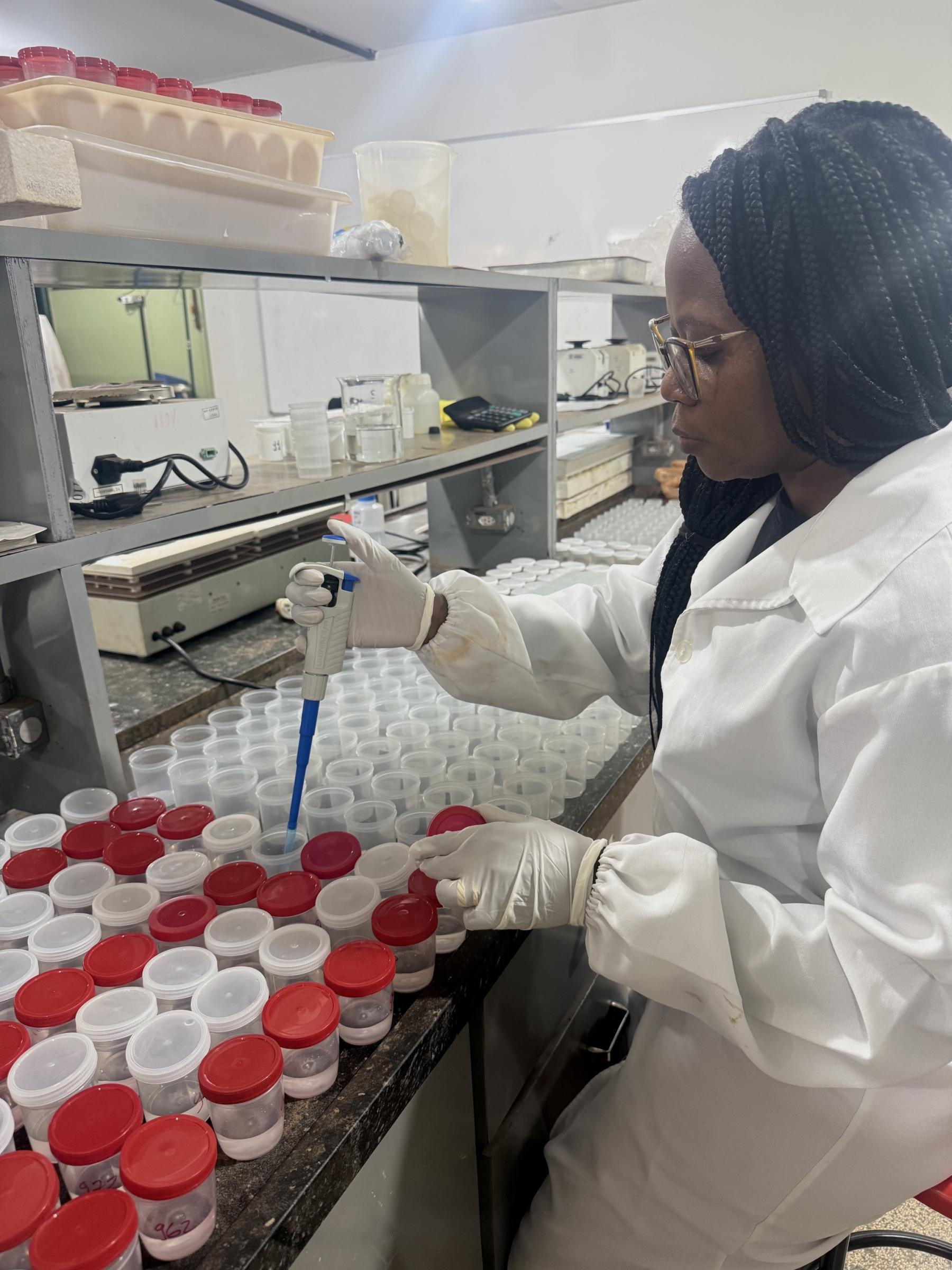
Even those who can afford fertilizers often apply quantities below crop requirements and the actual nutrient needs of their soils. Consequently, the expected improvements in productivity may not be achieved, and soil fertility problems can persist or become more severe.
Season 2. Episode 2
My research seeks to address these challenges by investigating integrated nutrient management strategies that combine organic resources, such as vermicompost, with reduced or appropriately balanced quantities of mineral fertilisers and biological approaches to phosphorus nutrition.
The idea is to identify alternatives that can improve soil fertility in both the short and long term while increasing crop productivity and reducing farmers' dependence on expensive mineral fertilisers.
One important advantage of organic amendments is that some can be produced locally using available agricultural residues and other organic materials. This creates opportunities for farmers to recycle resources within their farming systems, reduce production costs and gradually improve soil conditions.
My ultimate objective is to generate scientific evidence that can support affordable, practical and sustainable nutrient management recommendations for smallholder farmers.
Specifically, how does your research change farmers' life ?
My research is still ongoing, so I would not claim that it has already transformed farmers' lives on a large scale. However, it is generating promising scientific evidence that could contribute to improving their livelihoods.
The next important step will be translating the findings into practical recommendations and extending the validated technologies to farmers' fields.
If successfully adopted, these strategies could help farmers improve soil fertility, increase crop productivity, reduce production costs and maintain the productive capacity of their land.
For me, the real value of agricultural research is not simply publishing scientific papers or generating new knowledge. It is ensuring that this knowledge eventually reaches the people who need it and contributes to meaningful improvements in their lives.
Do local farmers understand your research? How do you work with them ?
My current research has been conducted through controlled field experiments at specifically selected research sites. Consequently, direct involvement has been limited to the farmers and individuals who participated in or had access to those experimental activities.
Those directly involved have had opportunities to understand the objectives and practical aspects of the research. However, I recognise that the number of farmers reached so far remains relatively small.
I believe that research should not remain confined to experimental plots or scientific publications. It must be communicated in ways that farmers can understand and apply.
Therefore, once the research is completed and the most effective strategies are validated, an important priority will be to strengthen engagement with local farmers through field demonstrations, agricultural extension activities, training sessions and collaboration with agricultural institutions.
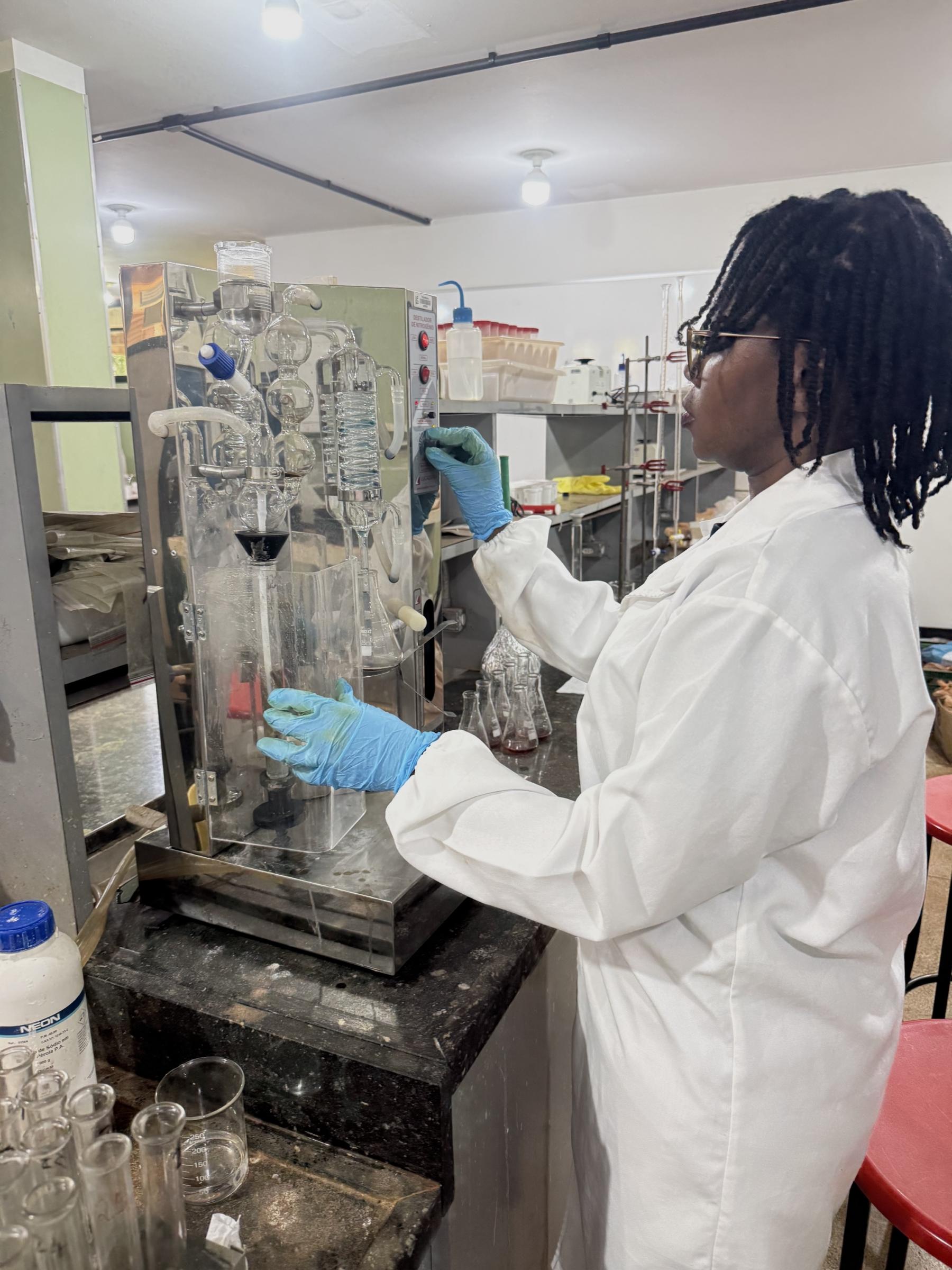
I see farmers not merely as beneficiaries of research but as essential partners in the process of developing and adapting agricultural technologies to their realities.
What have been the results so far?
The hypotheses underpinning my research have been tested through field experiments, and the results have been encouraging.
Season 2. Episode 3
We found that some integrated nutrient management treatments, combining organic and inorganic fertilisers with a biological approach to phosphorus nutrition, achieved macro- and micronutrient uptake patterns comparable to those obtained with conventional mineral fertiliser treatments.
Importantly, some integrated treatments also contributed to improvements in soil fertility indicators over the two experimental growing seasons. These improvements included reductions in exchangeable aluminium and increases in soil phosphorus, magnesium and potassium.
These findings are particularly relevant for tropical agricultural systems, where soil acidity and aluminium toxicity are major constraints to crop production.
Many tropical soils are highly weathered and naturally prone to nutrient depletion through leaching. The loss of basic cations, such as calcium, magnesium and potassium, contributes to soil acidification and declining fertility. Under acidic conditions, phosphorus availability can also become increasingly limited because of its interactions with iron and aluminium compounds in the soil.
These constraints are particularly important in many agricultural soils in Mozambique, where farmers must maintain productivity despite naturally challenging soil conditions and limited access to external inputs.
Our findings suggest that integrating organic and inorganic nutrient sources can offer a promising strategy for addressing these challenges. In particular, it is possible to maintain crop nutritional performance while simultaneously improving certain soil fertility indicators, rather than relying exclusively on mineral fertilisers.
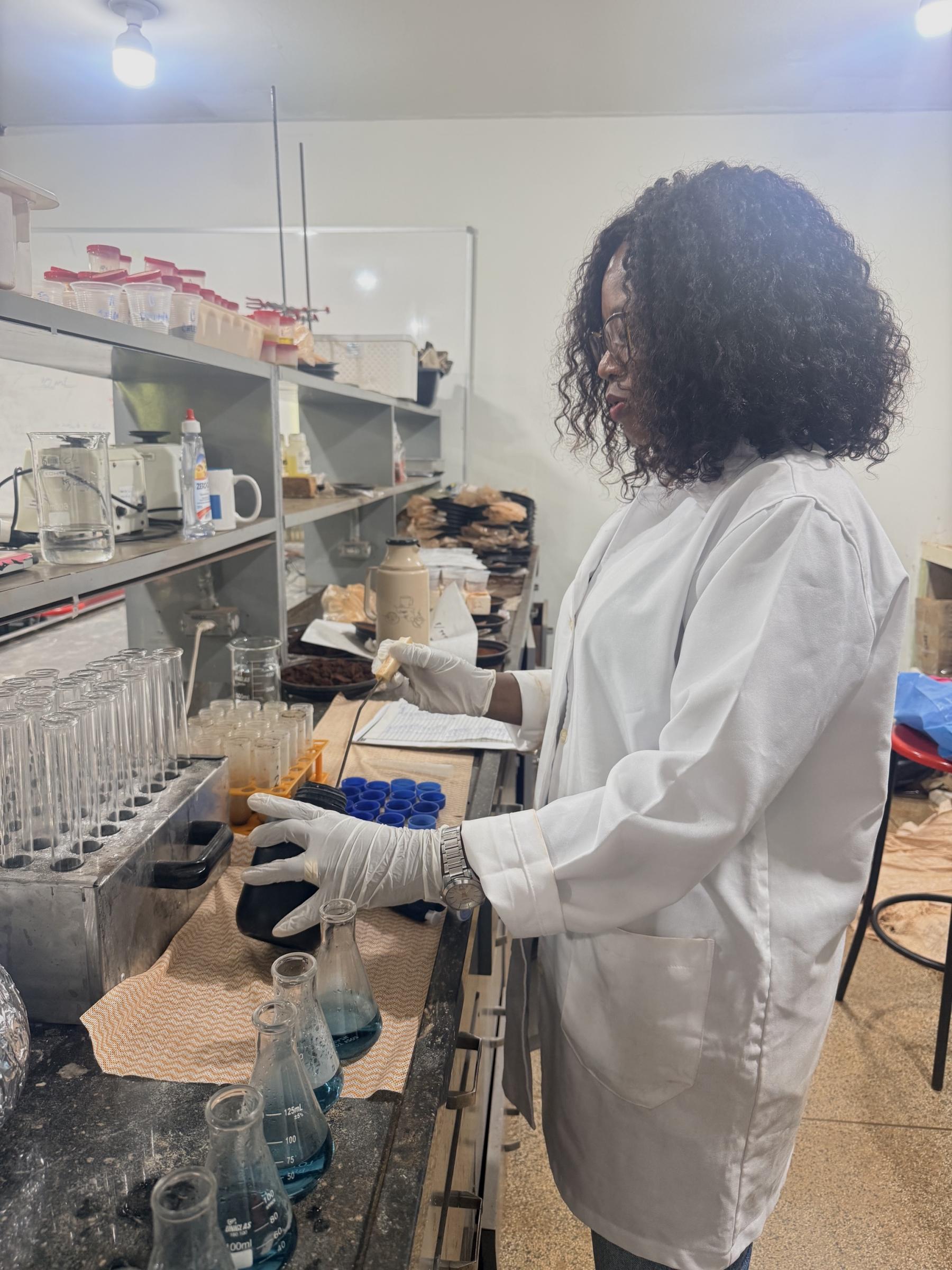
Regarding crop productivity, the field experiments also demonstrated encouraging potato yields under integrated nutrient management strategies.
Although these results still need to be translated into wider farming practices and validated under different farmers' conditions, they provide an important scientific foundation for developing more affordable and sustainable nutrient management recommendations.
What are your main challenges as a researcher ?
One of my greatest challenges as a researcher is the limited availability of financial and infrastructural resources to conduct high-quality scientific research.
Research requires well-equipped laboratories, reliable analytical facilities, field equipment, research materials and sufficient funding to undertake experiments and disseminate findings through scientific publications. Unfortunately, these resources remain limited in many African research institutions.
Another significant challenge is mobilising competitive research funding. Even when researchers identify relevant problems and develop scientifically sound research proposals, securing the financial resources needed to implement them can be difficult.
I have also had to learn how to balance my academic responsibilities, research commitments and family life, particularly when research requires travelling or spending extended periods away from home.
I have addressed these challenges through resilience, continuous professional development, international academic collaborations and the support of my family and professional networks.
Season 2. Episode 4
My experience has taught me that being a researcher requires more than scientific knowledge. It also requires determination, adaptability, resourcefulness and the ability to keep moving forward despite limitations.
Being an African woman in science …
Being an African woman in science comes with challenges that are both professional and personal.
One of the most significant personal challenges is balancing scientific ambitions with the cultural and social expectations traditionally associated with women's roles as wives and mothers.
In many African societies, women are still expected to prioritise family responsibilities. Consequently, pursuing an academic and research career, particularly one that involves international travel, extended periods away from home and demanding professional commitments, can generate emotional challenges.
Personally, whenever I travel for research or academic activities, I sometimes experience feelings of guilt about being away from my children and leaving them under their father's care. Although I have a supportive husband and family, there are moments when I wonder whether my family would be happier if I could spend more time at home.
This is one of the realities that many women in science experience but do not always openly discuss.
Professionally, another major challenge is gender inequality in opportunities, recognition and leadership. Women can face difficulties in accessing research funding, securing leadership positions, having their scientific contributions fully recognised and being trusted with the responsibility of leading major research initiatives.
The glass ceiling remains a reality in many scientific institutions. Although gender equality is increasingly discussed, inequalities persist in practice, particularly in decision-making positions and access to opportunities.
I believe that women have the same intellectual and scientific capabilities as men. However, the social environments and experiences that shape our professional journeys are not always the same.
What matters is creating scientific environments where talent, competence and contributions are recognised fairly, regardless of gender.
How do you overcome these challenges ?
I have learned that overcoming these challenges requires resilience, supportive relationships and a strong sense of purpose.
First, I continue pursuing my scientific career because I believe that my mission and contribution to society extend beyond the traditional expectations of what a woman should or should not do. I want to demonstrate, through my own journey, that women can be mothers, wives, scientists and leaders without having to abandon their professional aspirations.
My family has been an important source of moral and emotional support. Their encouragement gives me the strength to continue, even when professional and personal responsibilities become overwhelming.
I have also developed resilience and a positive outlook towards challenges. Rather than allowing difficulties to define my limitations, I try to see them as opportunities to learn, improve and become stronger.
Professional mentorship has also played an important role in my development. Mentors provide scientific guidance, encouragement and access to opportunities that might otherwise be difficult to navigate. I have been fortunate to receive support and inspiration from academic mentors as well as personal role models within my family.
Additionally, I actively seek opportunities to establish collaborations with other researchers, expand my professional networks and participate in scientific initiatives. I believe collaboration is particularly important for African researchers because it creates opportunities to share knowledge, access resources and generate research with greater societal impact.
Ultimately, I continue because I believe in the value of my work and in the difference that scientific knowledge can make in people's lives.
What can be done to encourage more women to pursue science in Mozambique and across Africa ?
Encouraging more women to pursue scientific careers requires action at several levels, beginning with childhood and continuing throughout their professional development.
First, we need to expose girls to science at an early age through practical activities, school experiments, agricultural demonstrations and opportunities to interact with female scientists. Curiosity should be encouraged rather than limited by gender stereotypes.
Personally, I was not particularly interested in science as a young girl, perhaps partly because I did not have sufficient opportunities to interact with scientific activities or female researchers who could inspire me. It was later, through inspiring teachers and practical experiences, that I began to understand the real-world importance of science and developed a deeper interest in research.
This experience makes me believe that early exposure and mentorship can make a significant difference in shaping girls' ambitions.
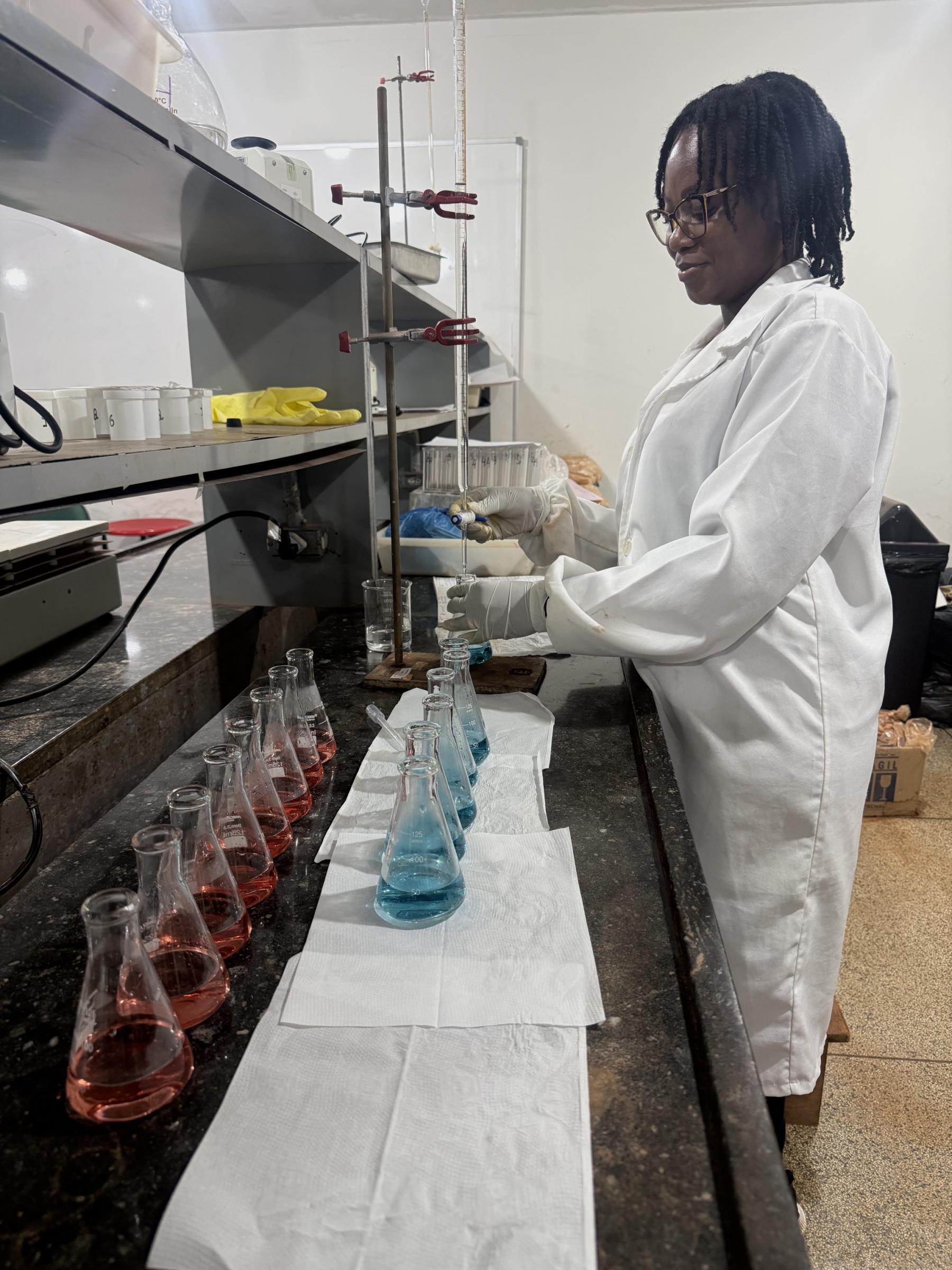
Second, we need more visible female role models. Girls and young women need to see African women conducting research, leading scientific projects, occupying decision-making positions and contributing to the development of their communities. Representation matters because it helps young girls understand that scientific careers are also possible for them.
Third, scientific institutions and governments must create more equitable opportunities for women through accessible research funding, scholarships, mentorship programmes, leadership development and family-friendly institutional policies.
We must also address structural barriers that prevent women from progressing in their careers, ensuring that research proposals, scientific contributions and leadership capacities are evaluated fairly, without gender-based assumptions.
Finally, I believe that women themselves have an important role to play in encouraging the next generation. We should share our experiences, support one another, establish mentorship networks and create opportunities for young female scientists to grow.
My own motivation has increasingly become the desire to demonstrate that African women can contribute meaningfully to scientific advancement and the well-being of their communities.
I have experienced difficulties, including limited access to research funding and inadequate laboratory infrastructure, but these challenges have not made me abandon my ambitions. Instead, they have strengthened my determination to contribute to science and encourage other women to pursue their dreams.
A message to young African girls…
My message to young African girls is simple: do not allow society to define the limits of your ambitions. Your background, gender or circumstances should not determine how far you can go. Be curious, seek knowledge, remain persistent and believe that you have something valuable to contribute to science and society.
Josiane Kouagheu
*****
-
Agripreneurs d’Afrique is 10 years old !
We hope you enjoyed this article. Before closing this page, can you take the time to support the field journalism that Agripreneurs d’Afrique has been practicing since 2016 ?
In Cameroon as in Africa, agriculture employs more than 60% of the population. Millions of people who supply cities and villages. Some cultivate the land, others transform the crops. Voices that need to be heard.
We strive to relay them. We also report about fishing, livestock, and the environment. Difficulties, effects related to climate change or pollution that threatens entire populations.
At the same time, we translate for you the results of the research that make it possible to evolve the agricultural sector in general. We interview researchers. We immerse you in the heart of the latest scientific work.
From our launch, we decided to practice independent journalism, without external support. We finance everything with our own funds. This journalism plays an essential function in the world.
For example, we refused to introduce a paid subscription system: we believe that quality journalism must be accessible to all, regardless of their financial means.
If you like our articles and cannot afford to pay, please stop reading this message and return to our articles.
If you have the means to contribute, know that your support will help us better tell a vital part of our society: agriculture, fishing, livestock, the environment, science, and the rural world.
You can support us via:
Patreon: Agripreneurs d'Afrique
Orange Mobile Money: +237 6 95 07 59 37
MTN Mobile money: +237 681122102
Your generosity makes it possible to provide factual information to the inhabitants of Mozambique, Africa, and the whole world !
Josiane Kouagheu, editor of Agripreneurs d'Afrique