In DRC, Dr. ViVi Maketa fights against malaria and Mpox

African women researchers. Season 2. Episode 1. During her medical studies, Dr. ViVi Maketa saw “how little scientific data” existed about the diseases affecting her communities in Democratic Republic of Congo (DRC).
Introduction of our series.
Read the first season of our series.
She realized at the same time that producing local evidence was “key to making better health decisions, and that research could be a form of advocacy and empowerment”. She changed her trajectory.
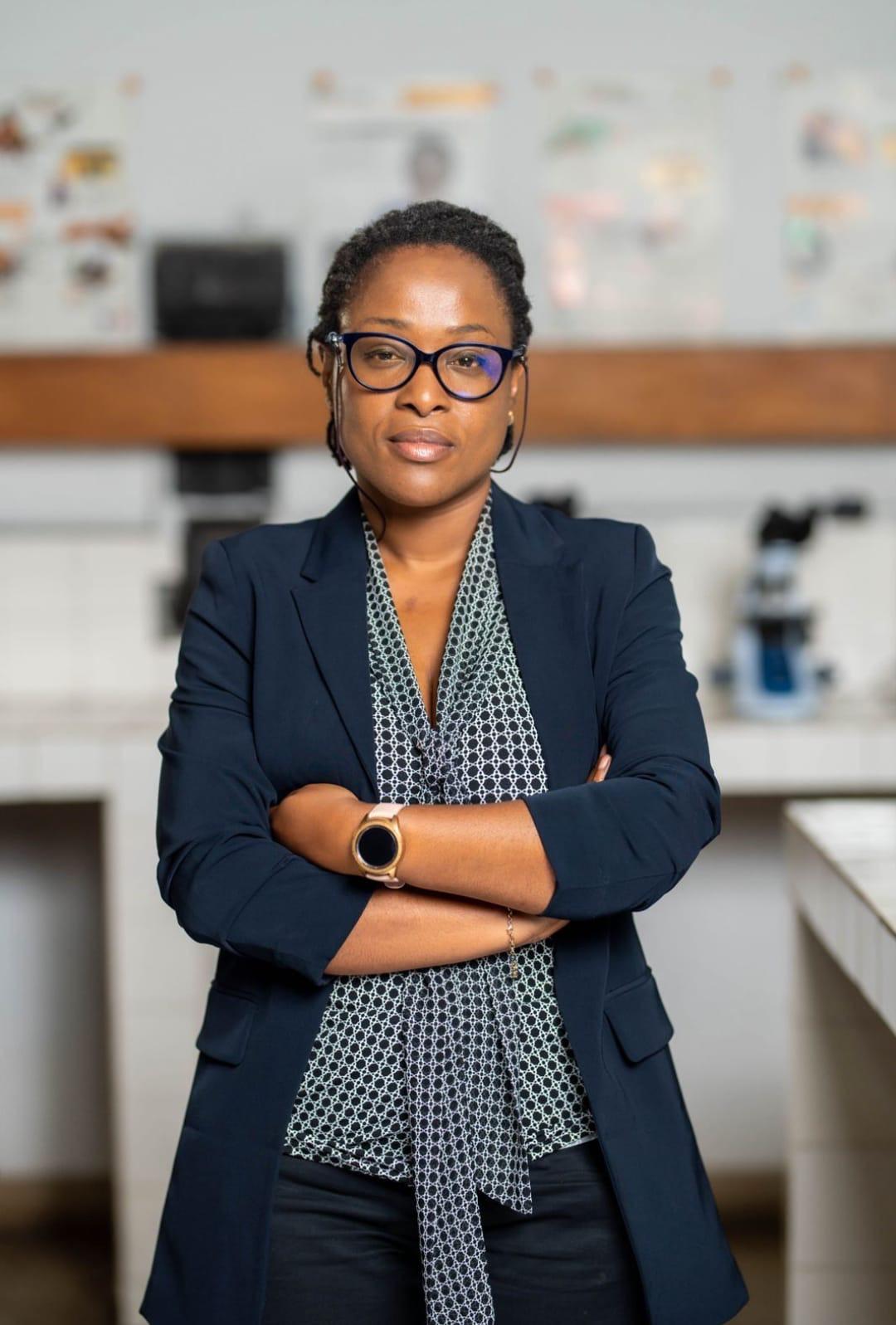
“I began as a medical doctor and transitioned into research after completing postgraduate studies,” says the 46-year-old who is now a professor of Tropical Medicine at the University of Kinshasa, the capital of DRC, to Agripreneurs d’Afrique.
“Always reading, always learning”
“At the end of her hospital internship, she realized that while she valued clinical work, she was even more interested in understanding diseases on a deeper level, how they spread, how they could be prevented, and how research could improve public health,” recalls Aurelie Maketa, her sister, via email to Agripreneurs d’Afrique.
“That’s when she turned toward epidemiology and tropical medicine. From the very beginning of her work in tropical medicine, she was incredibly enthusiastic. She immersed herself in multiple research projects, always reading, always learning, always working. It wasn’t just a job for her. It was something she genuinely cared about.”
For Aurelie, her sister’s curiosity, discipline and commitment to making a difference “made it clear that she was meant to be a researcher”.
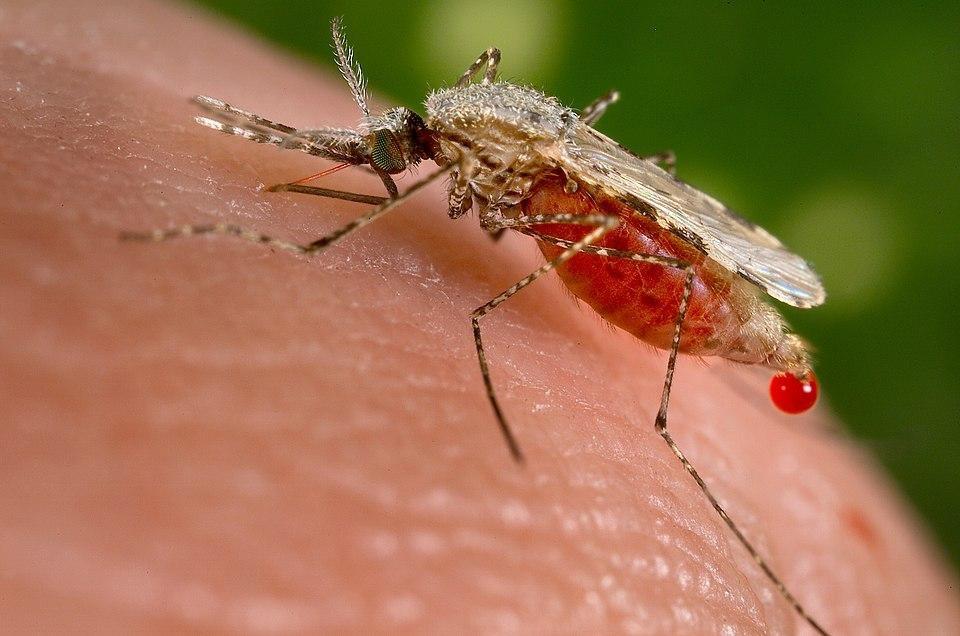
Today, Dr. ViVi Maketa’s work mostly focuses on clinical trials, malaria, Mpox, and genomic surveillance, particularly in underserved and high-risk communities. In her studies, she investigates the impact of Malaria in many remote areas of the Democratic Republic of Congo.
Research on malaria
One of them, published in February 2026 in Malaria Journal, analyzes the situation of young children with severe malaria in the Kapolowe health zone in the Haut-Katanga province.
The DRC is among the countries where malaria is one of the leading causes of death, particularly in children under 5 years old and Kapolowe is part of the sentinel surveillance sites of the National Malaria Control Program where malaria transmission is perennial and malaria prevalence is high.
In order to understand the situation, Dr. ViVi Maketa and other researchers studied the mothers’ health-seeking behaviors and the challenges they face. The team conducted interviews with them and identified three delays.
They found that several factors prompt mothers to seek care, including the age of the child, the persistence of symptoms, and the appearance of new symptoms.
Inadequate infrastructure
“These elements reflect a first delay, related to the decision-making process to seek care in a healthcare facility,” Dr. ViVi Maketa and her colleagues wrote.
“Once the decision is made, mothers face major challenges in identifying and accessing healthcare facilities, including poor road conditions, high transportation costs, the scarcity of transportation options, and the poor condition of motorcycles.”
According to the study, these constraints lead to a second delay, associated with physical access to healthcare services.
The researchers noted that upon arrival at healthcare facilities and despite all the previous efforts, mothers still face additional challenges, such as stock-outs of medications, inadequate infrastructure conditions, and even referrals to traditional healers or spiritual leaders in the absence of an appropriate response.
“She is results-oriented”
“These situations illustrate the third delay, which relates to the quality and availability of care within healthcare facilities in the Kapolowe health zone,” they added.
Dr. Hypolite Muhindo Mavoko who contributed to the report about Malaria has been a longtime friend and colleague to Maketa. They first met in September 2007 and they started their postgraduate training for specialization in tropical medicine at the University of Kinshasa at the same time. They had the same mentor, Prof. Pascal Lutumba.
“At that time, I was very weak in using a computer,” Mavoda, who is also a professor from the Department of Tropical Medicine at the University of Kinshasa, told Agripreneurs d’Afrique.
“She took care of teaching [me]. From the beginning of our career, we learned to team-up… She masters all aspects, from the design to implementation, conducting and reporting of research activities… She is motivated, she takes initiatives and she is results-oriented.”
Over the years, he has seen “Vivi permanently increasing her absorption capacities, which is impressive”.
Neglected diseases
In 2023, Dr. ViVi Maketa received the prestigious Early Excellence in Science Award in Medical Science from the Bayer Foundation for her “exceptional contributions to the design and implementation of research projects on infectious and neglected tropical diseases."
“My goal is to generate knowledge and create interventions that can truly improve the health and well-being of the communities I work with, particularly in the areas of tropical and neglected diseases,” she told the Foundation.
“I aim to ensure that the studies I’m involved in have a tangible, positive impact on people’s lives. I make sure the studies are easy to grasp and that the communities are actively engaged.”
The mother of three boys who told Agripreneurs that she enjoys “being at home more, being just a mother”, also makes a point to mentor young women and advocate for gender-inclusive policies within research networks.
Mentor
She is one of the tutors in the BEBUC Excellence Scholarship Program, mentoring talented students selected across the DRC, with the aim to build an academic career.
During her career, Dr. ViVi Maketa sometimes “felt pressure to choose family life over career aspirations” even though her father encouraged her to persevere academically, especially during her doctoral studies.
As a young woman, gaining recognition and leadership opportunities was challenging, she remembered. Moreover, through the years, the researcher found that balancing motherhood and fieldwork required sacrifices and resilience.
But thanks to supportive mentors, both male and females, who advocated for her work and included her in consortia, she has been able to realize her potential.
Today, Maketa “made it a point to mentor young women and advocate for gender-inclusive policies within research networks”.
“Basic person “
Watching the journey, humility and dedication of her older sister has shaped the way Aurelie Maketa sees ambition and perseverance.
“She achieves so much, yet she carries herself so simply that it can make her accomplishments seem effortless, even though I know how much discipline and sacrifice are behind them,” she says.
“She doesn’t just build a career. She contributes to something bigger than herself. I am extremely proud of her…Seeing her dedication is one of the reasons I have continued my own studies. She inspires me every day.”
Despite the recognition of her achievements, Dr. Vivi Maketa still defined herself as “a basic person who would like to add a little bit more joy and be a blessing wherever I can be”.
And she likes basic things like cooking, “my love language”, she added. “I am also passionate about agriculture, which is definitely what I'll do when I get my retreat.”
Josiane Kouagheu