In Cameroon, young cocoa farmers face climate change and resource availability
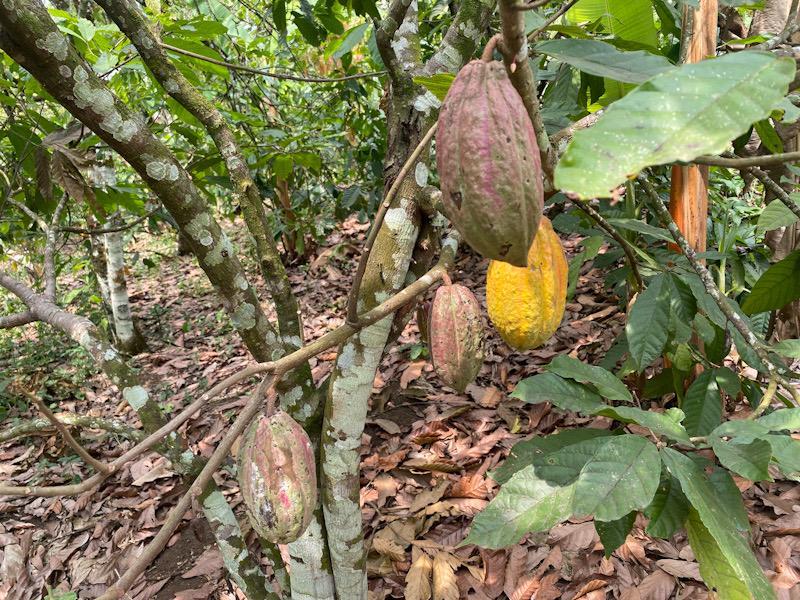

According to a new study, pests and diseases, labour shortages and high input cost complete the top five of their current challenges.
In Cameroon, agriculture employs nearly 60% of the working population. All over the country, farmers cultivate vegetables, crops, fruits and others. Cocoa is one of the main sources of income for thousands of cultivators. It is the second most exported Cameroonian commodity after oil.
The cocoa value chain generates around 400 000 jobs, 293,000 farmers included. The country produced 247,914 tonnes in the 2025/ 2026 cocoa season, representing a decrease of 61,603 tonnes compared with the previous season(ONCC, 2026).
This is far from the 1.2 million tons targeted by 2030 in the country's 2020–2030 national development strategy (MINEPAT, 2020).
New generation programme
To address this low productivity and limited youth engagement in the cocoa sector in Cameroon, the Cocoa Coffee Inter Professional Council (CICC) launched the New generation programme (NGP) in 2012.
Through this programme, CICC recruits and trains young farmers providing free technical support, inputs and mentorship. Their goal is to tackle the aging crisis (the average age of cocoa farmers exceeds 60 years) and unemployment.
Despite the importance of the NGP, young cocoa farmers still face many challenges. According to a new study published in the International Journal of Agricultural Sustainability, climate change, labour scarcity, capital availability, and pests and diseases are the main ones.
“There is limited empirical evidence on youth engagement in cocoa farming in Cameroon,” the researchers wrote, adding that little is known about their motivations to engage in cocoa farming in the first place, the challenges they face and the factors likely to influence their success.
To fill this gap, the scientists investigate young cocoa farmers' participation in agricultural programmes and the types of services they have access to, with a focus on both tangible and intangible services that contribute to increasing cocoa productivity and returns from cocoa, such as knowledge, information services and productive inputs.
Challenges
The team surveyed 309 young cocoa farmers (between 19 and 43 years old), including 174 NGP beneficiaries and 135 non-beneficiaries between May and June 2021 in nine administrative divisions of the Centre (8) and South (1) regions of Cameroon, where the new generation programme is implemented.
They asked the farmers “to first” indicate the challenges they had faced during their engagement in cocoa farming, at the time of data collection and finally to indicate the most severe. The five most cited challenges faced during the engagement period were workload, limited capital availability, labour shortages, climatic conditions and pests and diseases.
The five most cited current challenges were climatic conditions (62%), capital availability (36%), pests and diseases (35%), labour shortages (30%) and high input cost (20%).
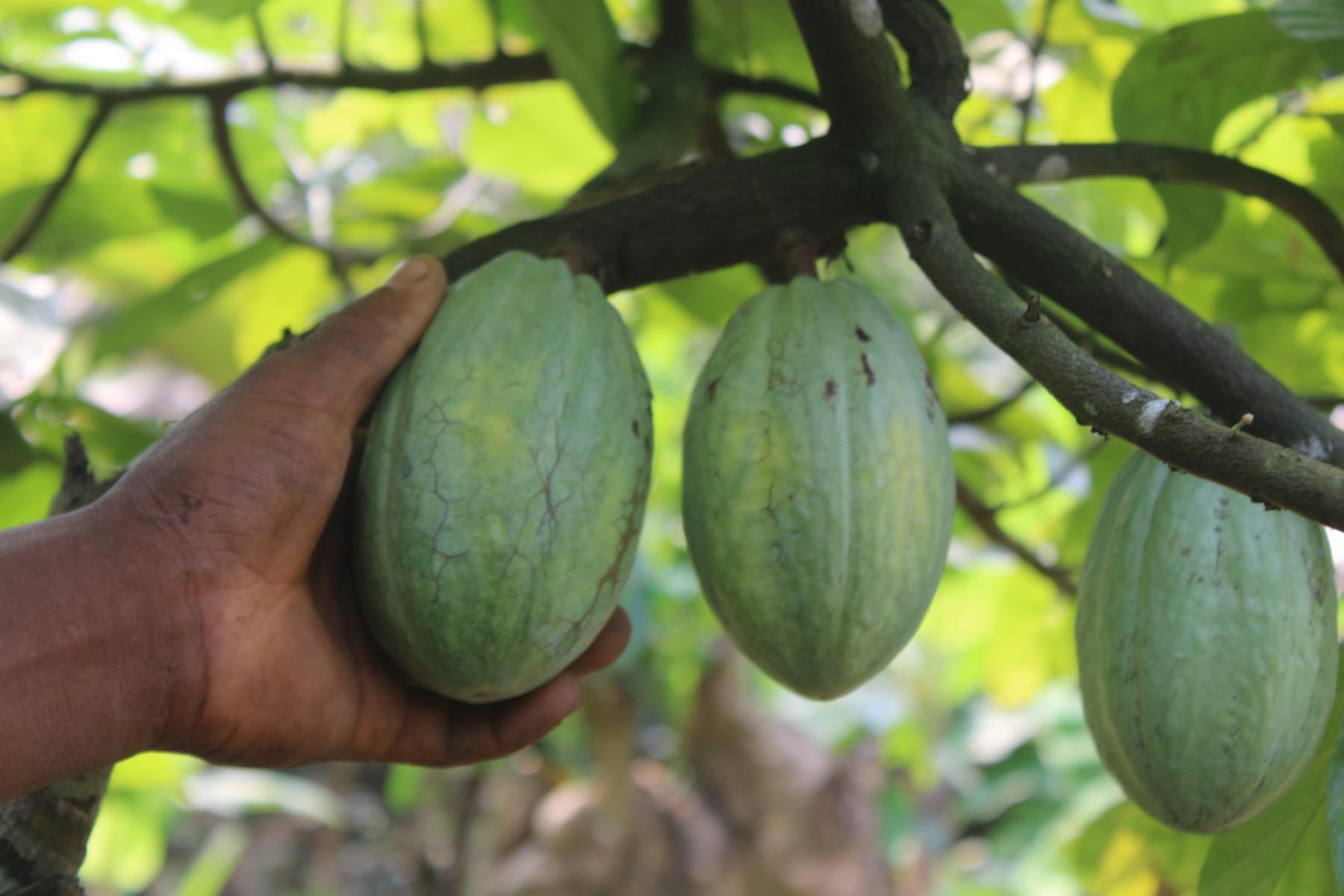
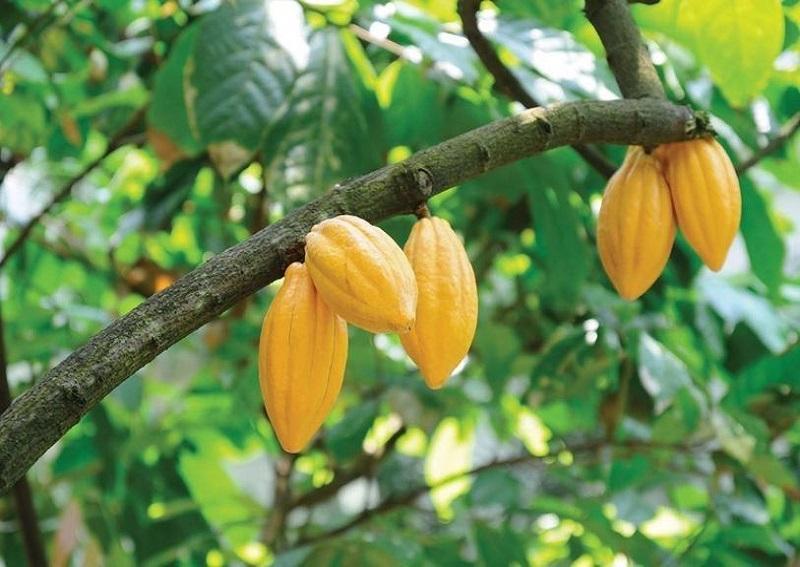
Cocoa pods in a farm in Cameroon. Josiane Kouagheu / Agripreneurs d’Afrique
“These results suggest that the types of challenges faced by farmers evolve with the production stages they are in, their experience with the activity, and the type of support they have access to”, the team noted.
For them, climate change, characterized by erratic rainfall, drought and high temperatures, poses a serious threat to cocoa production, for it contributes to an increase in pests and diseases and negatively influences seedling survival, tree growth speed, flowering and pod formation, resulting in decreased cocoa yields.
The researchers also discovered that the persistence of these challenges over time suggests the limited effectiveness of the various programmes designed to support farmers, even though there are public and private initiatives that provide support services to help young farmers overcome some of the challenges they encounter and run their farms.
Difficult to seek and receive support
57% of the respondents said they received support to run their cocoa farms. Of these, 80% were part of an agricultural programme and 69% were NGP beneficiaries.
“This suggests that it is generally difficult for young farmers to seek and receive support independently, except through dedicated programmes such as the NGP,” the scientists found. Those young farmers received various support: training, coaching, pesticides, fertilizers, planting materials, and agricultural equipment among other services.
Most of the respondents participating in the NGP received a combination of inputs, knowledge and information, whereas the majority of non-NGP beneficiaries only received knowledge and information.
The study found that the likelihood of participating in agricultural support programmes was positively associated with farmers' age, the number of cocoa plots owned, the total area of cocoa cultivated, distance to the nearest inputs market and selling certified cocoa.
Thanks to these factors and the services they obtained they were able to apply the best management practices (BMP). Under the label of BMP for cocoa farming, the Cameroon Ministry of Agriculture and Rural Development (MINADER) recommends practices related to farm maintenance, harvest and post-harvest management to achieve satisfactory cocoa production in quantity and quality.
Best management practices
Among the recommended BMPs, those related to the planting of improved varieties, tree density, sanitary harvest and fertilizer application were less frequently implemented by non-beneficiaries of NGP than by beneficiaries, the scientists found.
They also discovered that even after graduating, NGP beneficiaries continue to apply the knowledge received in the programme. These strategies help them to overcome their challenges because “stronger BMP adoption intensity result” in less competition between cocoa and associated trees and weeds, and better control of pests and diseases, which, along with climate variability and soil fertility, are key limiting factors for cocoa yields.
However, the team found that higher levels of BMP adoption do not necessarily lead to higher yields. This suggests that a minimum level of BMP adoption is required to increase yields. For them, it could be that some farmers with high BMP adoption do not necessarily apply them at the right time, with the right quantity and quality of materials/inputs, or with skilled labour.
For example, the cocoa yield was positively related to the intensity of BMP adoption, experience in cocoa farming, gender (male), access to credit, average age of productive plots, total cocoa area and labour hiring. But it was negatively associated with NGP membership and simultaneous access to inputs and knowledge.
According to the scientists, this negative relationship between NGP membership and yield may be because, on average, NGP beneficiaries had significantly younger productive plots (8.7 ± 3.6 years) than non-beneficiaries (11.52 ± 9.5 years).
“It is plausible that some of the inputs received by NGP beneficiaries were used on their more mature farms rather than on farms established with the NGP support,” they stated.
Farm characteristics
As a result of the differences in their average productive plots age, the average yield of NGP beneficiaries (255 kg ha−1) was significantly lower than that of non-beneficiaries (366 kg ha−1).
“This implies that, when providing services to farmers, one should bear in mind that how it influences productivity will also depend on farm characteristics such as age, density, composition and land use history, among others,” the scientists continued. “For instance, for farmers with very young farms, it might only be possible to observe impacts in the long term when compared to farmers with more mature farms.”
Moreover, the cocoa net returns take the same trajectory. According to the study, NGP non-beneficiaries who received support had significantly higher net returns per hectare ($ 385) than NGP beneficiaries with support ($ 202) and without support ($ 215).
The researchers noted that the negative influence of NGP membership on net returns is related to the younger age of NGP beneficiaries' farms who also have lower yields compared to non-beneficiaries.
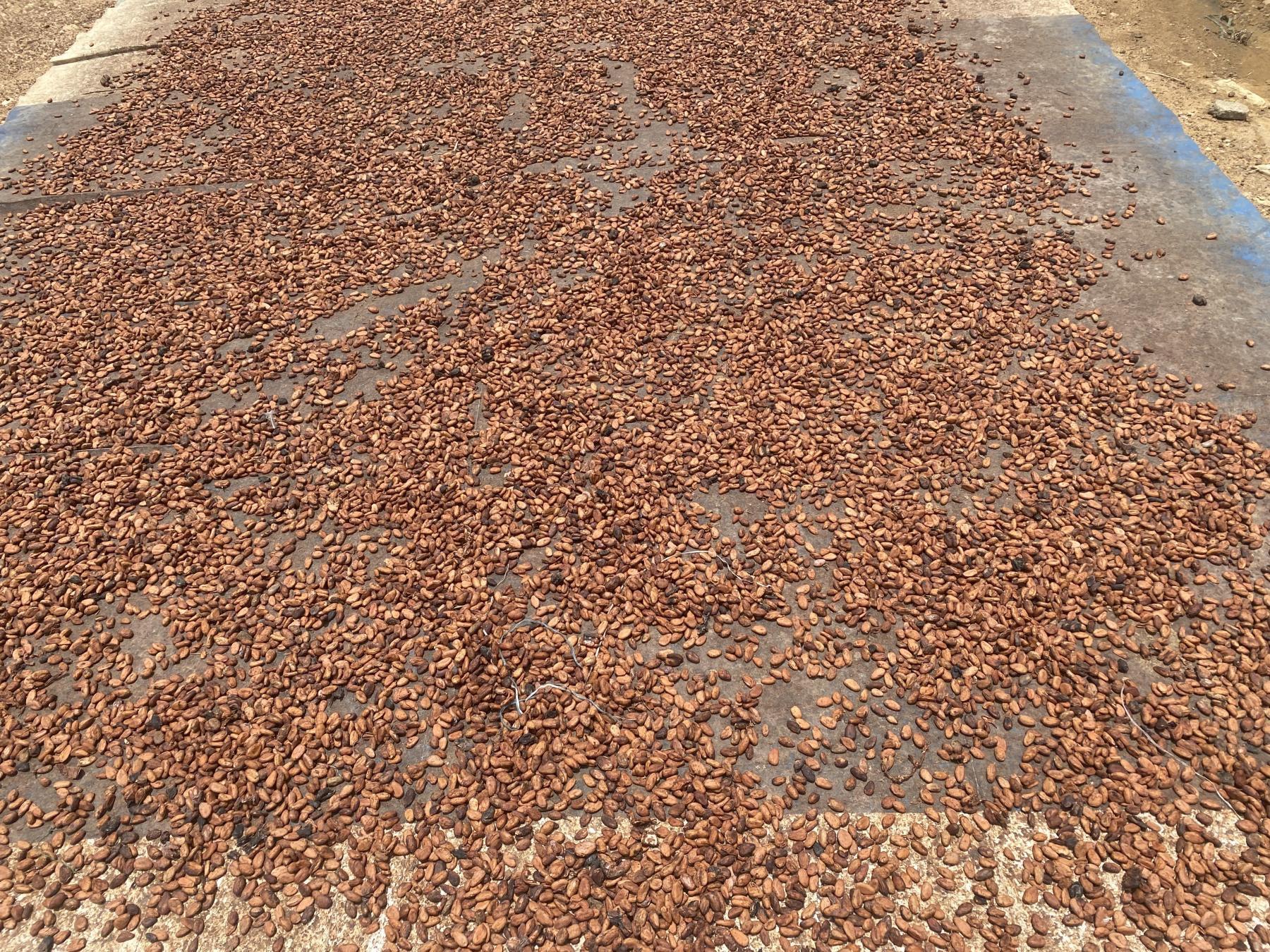
Cocoa beans in Cameroon. Josiane Kouagheu/ Agripreneurs d’Afrique
For them net cocoa returns declined with the age of the productive plots. “One possible explanation is that, although yields increased with the age of productive plots, the additional costs may have outweighed the additional gains from higher yields.”
In conclusion, the team of scientists believed that there is a need to rethink strategies to support youth engagement in cocoa farming through interventions that are gender responsive and consider youth diversity in terms of the challenges faced, prior experience and farm characteristics.
Women and cocoa
“In addition, policymakers should promote stronger coordination frameworks to enhance synergy among support service providers, reduce duplication and ensure greater inclusiveness and a wider reach of youth programmes.”
The researchers assured that there is a need to rethink strategies to support youth engagement in cocoa farming through interventions that are gender responsive and consider youth diversity in terms of the challenges faced, prior experience and farm characteristics.
During their research, they found that three main reasons explained why women have less access to agricultural support programmes, which may explain why there is a positive relationship between gender (male) and yield.
Firstly, cocoa is a crop that is primarily cultivated by men, the team stated. Secondly, the study area “is patriarchal, and women usually do not inherit land” and the vast majority cannot meet the minimum land requirement needed to access certain programmes.
Thirdly, women have less access to information on opportunities in cocoa than men. “However, there is also evidence that women can achieve productivity levels comparable to those of men when they have equal access to key productive assets,” the study concluded.
Josiane kouagheu