In Cameroon, the ‘conflictual’ relation between the Campo Ma'an National Park and the populations

According to a new study, this is due to the fact that the flagship activity carried out at the conservation level is repression, to the detriment of development activities.
In 2014, researchers working on the Campo Ma'an National Park area noted that "the populations are unhappy with the presence of the park and several industries in the locality, which deprive them of arable land, encourage immigration, and are responsible for the degradation and deforestation of their land."
12 years later, the situation is still the same. According to a new study published in African Journal of Social Sciences and Humanities Research and based on a population surveyed, “80% of those surveyed emphasize that the relationship between the populations and the conservation service is conflictual”.
Repression
“This is due to the fact that, for the populations, the flagship activity carried out at the conservation level is repression, to the detriment of development activities such as education, awareness-raising, the development of income-generating activities, etc,” the researchers found.
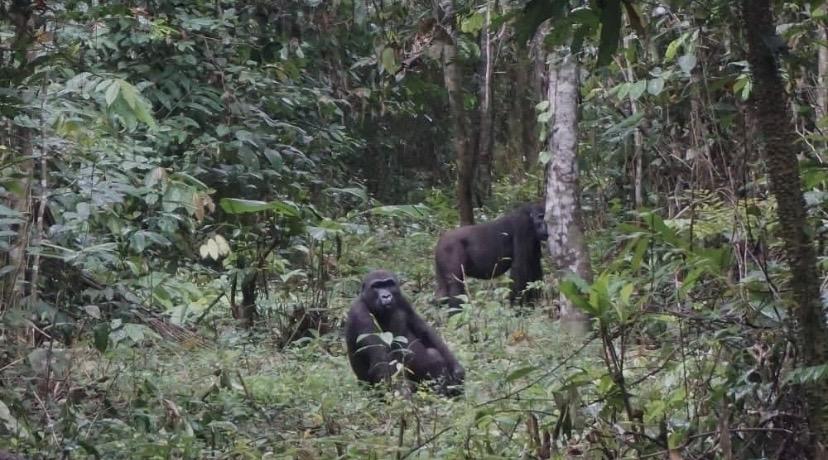
Located in southern Cameroon, the Campo Ma'an National Park covers 264,064 hectares. The area houses 1500 species of plants, 390 invertebrates, 249 species of fish, 80 large and medium sized mammals…
Among these mammals 23 species such as the giant pangolin, the lowland gorilla or the African elephant are on the International Union for Conservation of Nature’s red list. But despite this exceptional biodiversity, human-wildlife conflict is regular in this area.
To understand the perception, the team of researchers from Cameroon and the Democratic Republic of Congo interviewed NGO staff, traders, civil servants, farmers, among others. Their data was also collected through literature reviews, direct observations, and the stated preference method using willingness to pay for conservation.
“The survey shows that 83% of respondents express dissatisfaction with any form of co-management of natural forest resources,” the team wrote.
Dissatisfaction
They explained that this level of dissatisfaction can be explained by the fact that the population's non-acceptance of the designation of the Campo Ma'an National Park; low benefits from the tourism industry; organizational and material shortcomings in conservation services; and the failures of the project approach in improving the population’s living standard and live hoods.
97% of the population surveyed stated that they were familiar with the park, with 28% having already visited it, 48% intending to visit it in the future, and 24% not seeing any interest in visiting it.
Moreover, with regard to willingness to pay for the conservation of the Campo Ma'an National Park, 67% of respondents said they were willing to pay to maintain the park in its current ecological state.
But for the 33% of the sample surveyed who rejected the park, 45% do not see the changes that the park has brought to the environment and standard of living and 32% felt that the park deprived them of their land.
“Furthermore, most of those who refuse to pay for conservation are mainly local residents (92%),” the team highlighted. The survey results indicate that the population's interest in the park is primarily linked to the economic and financial benefits derived from tourism.
Josiane Kouagheu
Banner Image: Campo Ma'an National Park/ Facebook page