In Cameroon, social differences of rural farmers influence their vulnerability and adaptive capacity to climate change

According to a study, there are variations between men’s and women’s adaptive strategies in response to the impacts of climate change.
“The rains do not respect the calendar anymore.” In the Baham sub-division in the Upper Plateau division of the West region of Cameroon, specifically in Kaffo and Nguongwa villages, Raphael is among the farmers who are witnessing and facing the effects of climate change.
Raphael has lived in the community for 43 years. He had noticed the climate change since 1999. But as the temperature increased and the sun became “very hot”, Raphael and other farmers “no longer understand the unpredictable climatic changes as it has destroyed their vegetation and made it difficult to engage in farming activities”.
According to a study published in African Geographical Review, social differences of rural farmers influence their vulnerability and adaptive capacity to climate change. The article highlighted Raphael’s story and fifteen other people who shared their life history and how they have experienced climate change and their coping strategies as rural farmers.
Life history approach
The study used a life history approach to explore how social differences (e.g., age, gender, and marital status) influence their observations of changes in weather patterns, their vulnerability to climate change, and their ability to adapt to climate change.
During various interviews conducted between June and August 2021, the team collected individual experiences that “offer valuable insights that contribute to a broader understanding of intersectionality and vulnerabilities to climate change”.
“Through the life histories, it has emerged that there are gendered experiences on how cultural and socio-economic practices influence the vulnerability of farmers of different social identities,” the researchers wrote, adding that the “emerging” factors include access to financial capital, land and land tenure security, and food insecurity.
They found that men struggle to access financial capital compared to women farmers to cope with the impacts of climate change. Five of the seven men participants told the team that women had more access to loans than men, as women are perceived as honest and have better saving habits.
“Women save better”
“Women have an advantage over men in that they have more options financially than men (can easily take loans),” Victor told them. And Etienne, another farmer emphasized: “women save better than men . . . it’s quite easy for them to access loans . . .”
But the differences are more important with adaptation strategies. The study found that single-parent-headed families struggled to adapt due to a lack of adequate manpower, unlike man-headed households, “vital resort for African producers to better manage climatic risks.”
For example, eight of the sixteen participants (five women and three men who are married), were able to diversify their agriculture production and were willing to try something new as they had the capacity to do so.
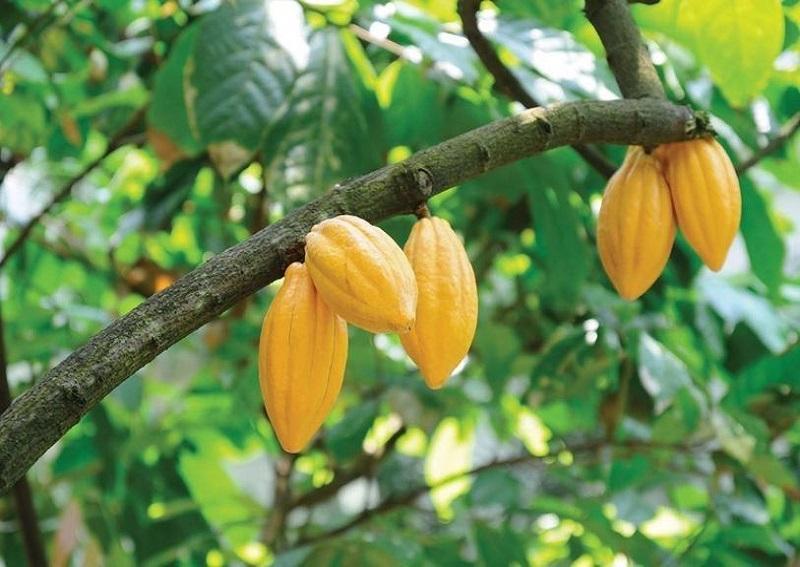
“Instead of focussing on only one crop, we mix everything,” Michel told the researchers. “We are looking for different crops,” Etienne, another farmer, said.
“This use of new varieties of existing crop types are important adaptation strategies,” the study highlighted. Furthermore, five women and one man mentioned that they had to adapt by changing the cycle and frequency of planting as a way to maximize agriculture production in response to changing climate.
Diversified income
Moreover, men engaged in other livelihood activities to diversify their income, and women with such partners had reduced vulnerabilities, unlike woman-headed families who struggled the most to diversify to other activities due to a lack of appropriate skills.
The team wrote that men focused on “other menial jobs” such as “building a pit toilet” as other means to sustain their livelihood. “Interestingly, most women clarified that their agriculture has always been their main source of income, and they struggled with finding other sustainable livelihood activities, unlike their man counterparts.”
Nadine, one of the respondents, confirmed that men “change activities if it (agriculture production) is not productive”. Marceline, a single parent, stated : “I am a petit businesswoman; all these are secondary activities for me; my main activity is agriculture”.
Despite their marital status, both women and men expressed concern about coping with the impacts of climate change, emphasizing their need to remain resilient.
Same vulnerabilities
Their vulnerabilities were generally uniform because they all depended on agriculture as a livelihood which created common vulnerabilities that overshadowed social differences among them.
For example, all of them acknowledged the reduction of their food consumption as an adaptive strategy to climate change impacts and to increase household food security.
“In addition, they all indicated that they have frequently experienced reduced crop production due to poor rainfall, resulting in climate-induced food price increases and forcing the farmers to spend more of their little income on food,” the study found, adding that all women participants raised concerns about how inadequate food will result in poor health, especially for young children, which becomes “another burden”, exacerbating their vulnerability to climate change.
Five men and four women told the team that they lacked financial security as they were focused on producing food for household consumption rather than selling it to earn an income, which threatened their livelihood and exacerbated poverty.
Context-specific climate adaptation
“It is better just to farm what children will eat,” Etienne said while Thomas, another farmer, added: “now we just do it just to survive.”
For the researchers, their findings imply that policymakers and humanitarian support need to consider “context-specific climate adaptation policies and programs that recognize the nuances of social differences in rural communities that influence vulnerability and ability to cope and adapt to manage climate variability”.
“For instance, appropriate programs can be developed to support married women who solely rely on agriculture to diversify their livelihoods.”
Josiane Kouagheu
Banner Image: A Cameroonian woman. Image by Daya237 via Wikimedia Commons.