In Cameroon, fishermen are witnessing a decline in fish species
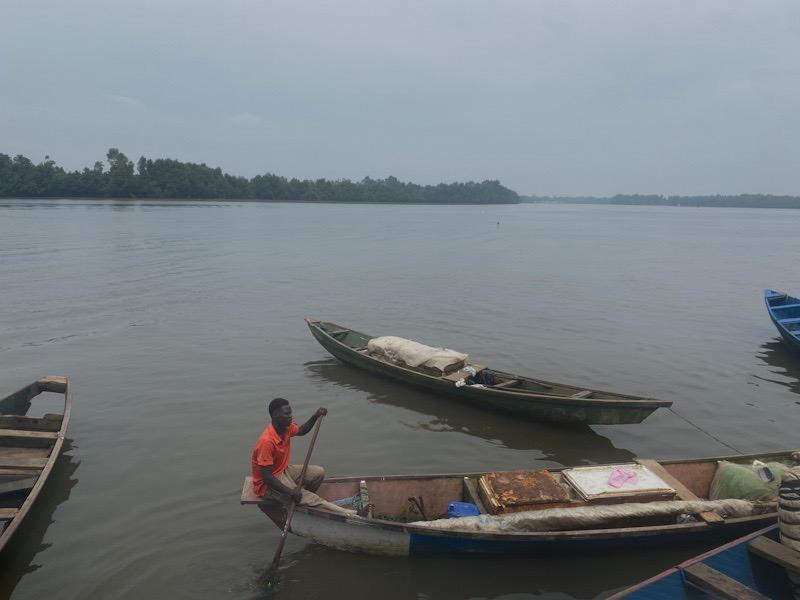

According to the Cameroon Fishery and Livelihood Sustainability Survey, 56% of them have observed a decrease in the quantity of fish or the disappearance of certain fish species at their fishing sites in Cameroon. This situation affects their livelihood sustainability.
The management of fishery resources in Cameroon not only affects the environment but also the sustained long-term patterns of fishery supplies and exacerbates inequalities in fishery harvest.
To understand the importance of fishery resources in enhancing households’ livelihood sustainability and also establish the means to help eliminate poor environmental strategies that harm fishery regenerative capacity, enhance biocapacity, and establish a balance in the different fishing localities, a team of researchers from the University of Dschang and Buea conducted a wide survey.
Between September 2023 and February 2024, they interviewed 511 households across 25 different fishing communities (fishermen operating in either marine or inland environments), as well as fish farmers who were involved solely in aquaculture within tanks, in Cameroon.
The result, named the Cameroon Fishery and Livelihood Sustainability Survey (CAMFISHLIST), is one of the largest data collections of insights on how artisanal fish farmers and fishermen who produce almost 90% of fish stocks in the country are living.
The team found for example that 56% of the fishermen have observed a decrease in the quantity of fish or the disappearance of some fish species at their fishing sites while 74.5% of households reported witnessing fish species depletion in Cameroon.
Restriction
“And the decreasing quantity is not only because there are many people,” said Dr. Muhamadu Awal Kindzeka Wirajing, one of the co-authors of the study published in Ocean and Coastal Management, during a phone call with Agripreneurs d’Afrique.
According to the professor at the department of Economic Policy Analysis at the University of Dschang, many factors explain this phenomenon.
For him, the Cameroonian government is taking “so much money” from the Chinese companies who are operating in the fishery sector and at the same time, the same government is restricting “these people [small fishermen ] so much in such a way that there are certain places in the sea where they cannot go.”
Moreover, Wirajing said that the climatic factors are also affecting fishing sustainability as well as the equipment used by the artisanal fishermen that pollutes water.
“The pollution is reducing the capacity of fish,” he said, adding that many species are affected since some are not resistant. “There are some species that cannot survive when the temperature is very high.”
Climate change and pollution then encourage the migration of fish from one place to another. “Some species struggle to migrate. Some are also migrating out of Cameroon. That also explains why they [fishermen] are more and more poor,” Wirajing said.
In fact, the study found that 56.2 % of households are food secure, while 43.8 % experience varying levels of food insecurity. And at the same time, 33.66% of the respondents report being in poor or uncomfortable health, while 16% report being in excellent health.
The scientists also discovered that 51 fishermen and fish farmers’ households suffer from mental stress and have been psychologically ill in the last 12 months.
Health performance
The survey reveals that an increase in a unit FCFA of income generated from fishery sales by fishermen and fish farmers reduces their likelihood of being very poor and living in precarious health conditions by 0.46%.
On the other hand, a kilogram (kg) decrease in fish increases the chances of fishermen and fish farmers’ households being food insecure by 4.8%.
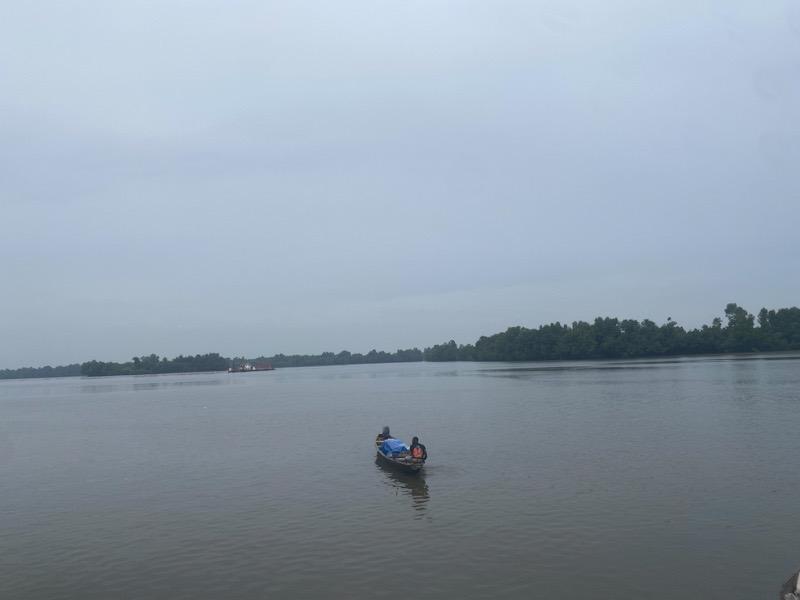
Fishermen in Cameroon. Photo: Josiane Kouagheu / Agripreneurs d’Afrique
“Fishing revenue contributes to improving the health performance of fishermen and fish farmers’ households in the Cameroon fishing communities,” the researchers noted. “Consequently, fishing is their main source of income, which improves the food security status and overall health of households in fishing communities.”
The survey identified three key factors affecting the resilience of households in fishing communities in Cameroon, both in marine and inland environments : revenue from fishing sales, fishing authorisation or permit and fishing efforts.
For the researchers, the income derived from fishing “enables households to maintain a stable food supply, access healthcare, and build economic resilience to withstand economic shocks, such as rising food prices due to events like the Ukraine-Russian war.”
Additionally, the scientists noted that having a fishing permit was found to enhance households’ resilience capacity in Cameroon’s fishing communities, which indicates that being registered and having a fishing permit contribute to increased resilience.
However, the study discovered that 56.8% of households involved in the fishing industry do not possess fishing permits and operate in the informal sector.
“Buy their boats”
“If you look at the status of those fishermen, they are displaced, immigrants…They cannot be able to buy their boats,” Dr. Muhamadu Awal Kindzeka Wirajing told Agripreneurs d’Afrique.
“And when you’re not able to buy your boat and have an engine, you have to work under somebody for sometime. You’re not going to have enough money to take care of your family.”
This situation is exacerbated by the fact that all fishing seasons and locations are not always productive or profitable, Wirajing explained. For instance, fishermen who sell near towns or have access to a wide range of consumers are not on the same level as those who fish and live in remote villages.
Plus, during biological reproduction where the government stops fishing activities, those who have a secondary source of income (agriculture, trade…) or practice inland fishing have the possibility to find other activities that help them to survive.
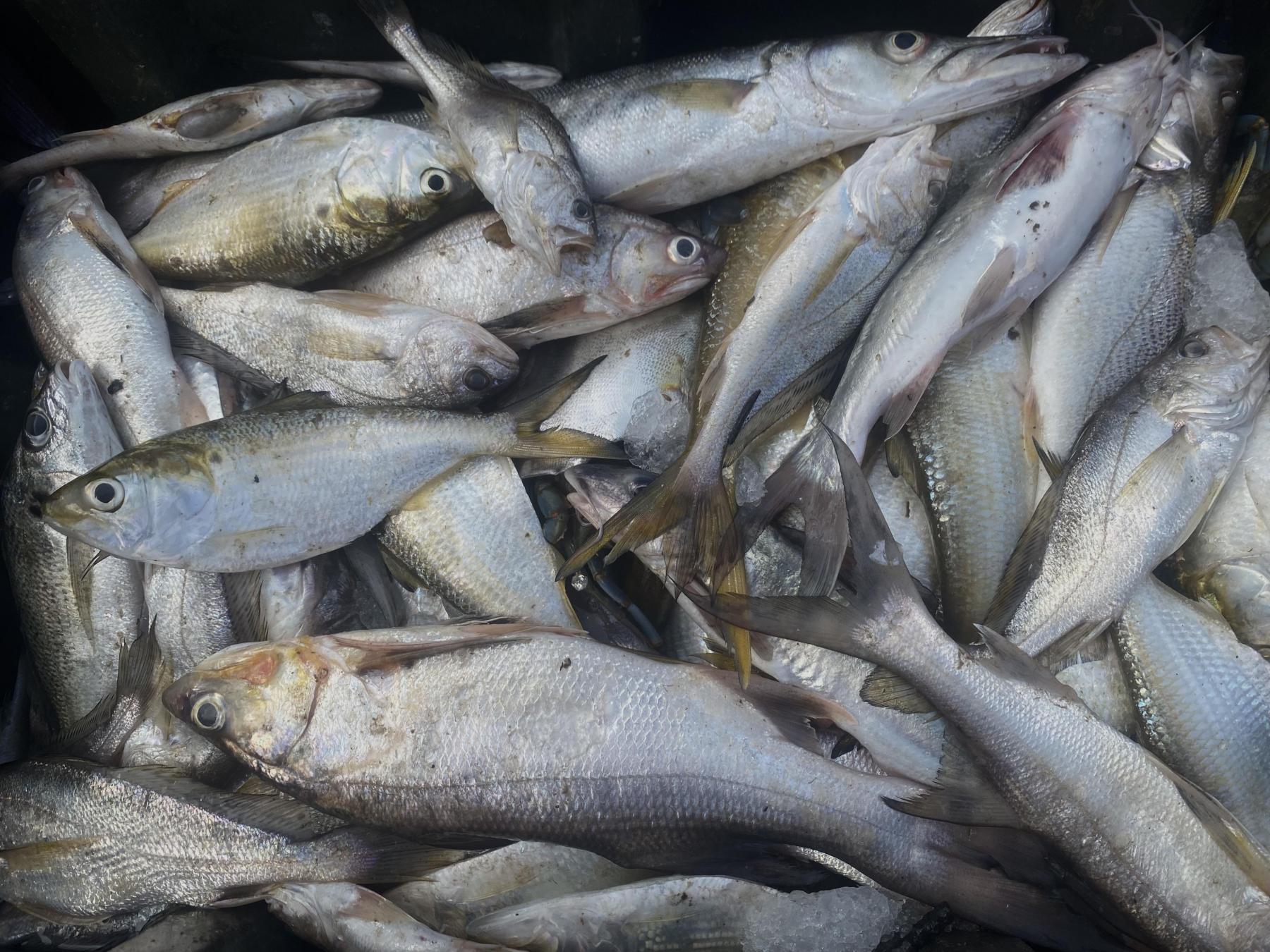
Fish in Cameroon. Photo: Josiane Kouagheu / Agripreneurs d’Afrique
“In the period where the fishing is not productive, they have to go back to the city, they have other farming activities,” Wirajing said, adding that there is a “very high probability” for those households to remain food secure.
But for the displaced and immigrant fishermen, the situation is not the same: “they do not have the space to do other activities like agriculture.”
Josiane Kouagheu