
Cameroun: how collective action strengthens flood resilience in Douala
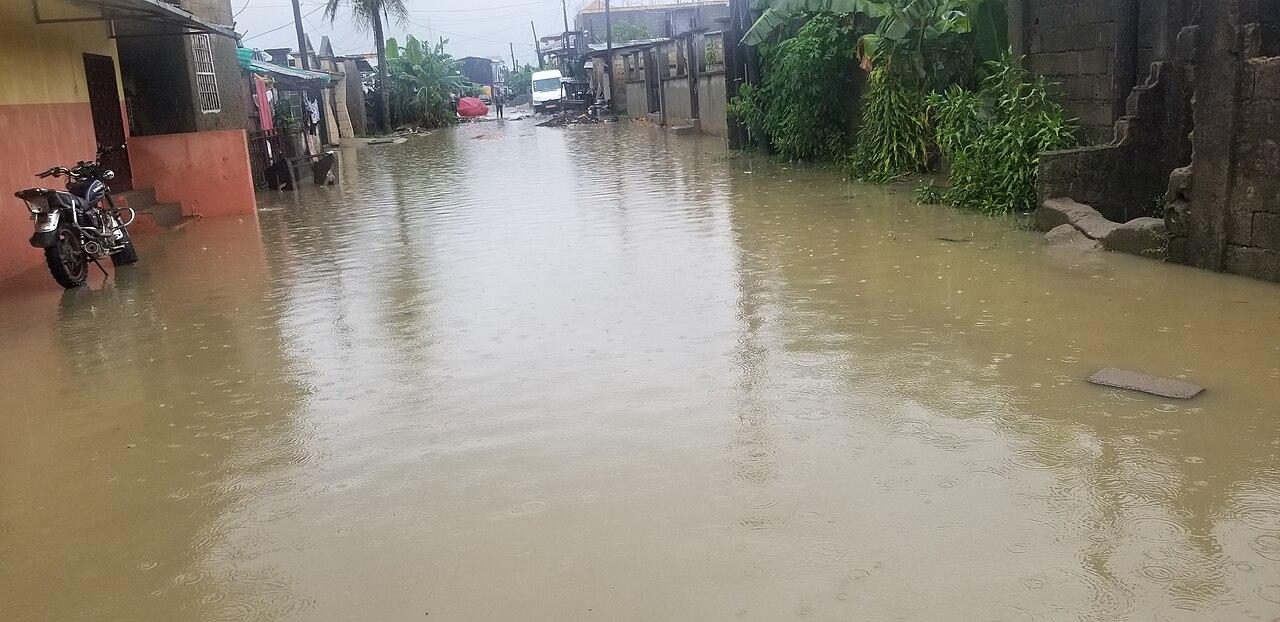

According to a new study, local populations of the economic capital combine customary norms and informal social practices to compensate for the ineffectiveness of public policies.
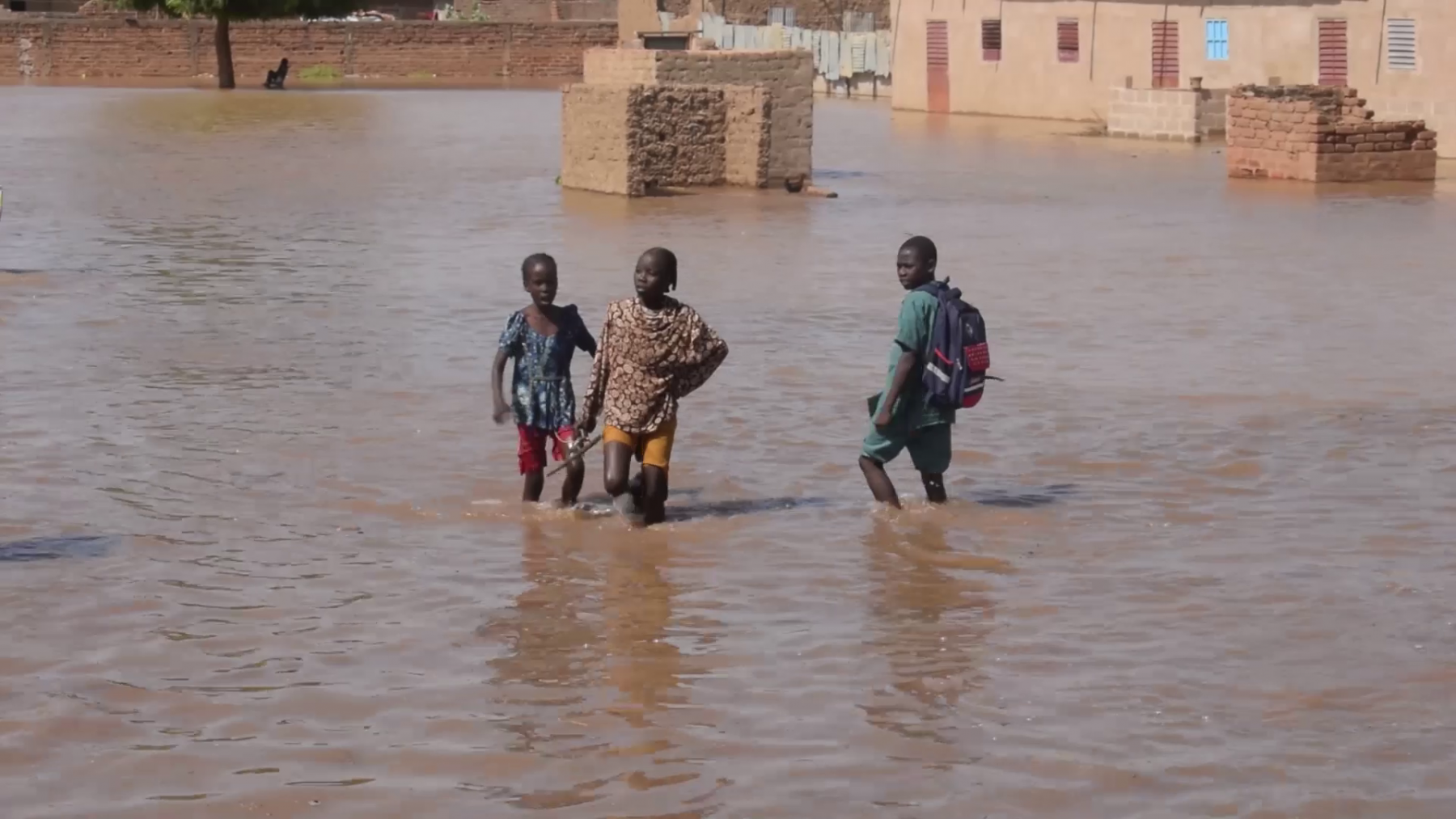
In Cameroon, flooding is a common problem for many regions of the country. In Douala, thousands of households are flooded every year. According to a new research published in Progress in Disaster Science in January, local populations from three informal settlements of the economic capital combine customary norms and informal social practices to compensate for the ineffectiveness of public policies.
The study based on an in-depth ethnographic survey (participative observation, semi-structured interviews, and focus groups) between 2024 and 2025 focused on Bois des singes, Japoma Beach and PK9. These communities were selected based on their location in flood zones, the diversity of their land ownership statuses (ranging from long-standing traditional occupation to recent occupation), and the variety of observable forms of self-organization.
“The research was conducted in a context of urbanization characterized by limited and weak governmental action, specifically in the city of Douala,” the authors from Laval University wrote. Their work highlights the diversity of selective incentives mechanisms and social sanctions that shape local responses to flood risk.
Collective rituals
At Bois des Singes, the team found that community regulation is based on a moral economy of participation and weekly collective rituals. “Adaptation strategies combine individual DIY measures (filling in land, raising foundations, domestic canals, building on stilts) and community engineering (weekly cleaning, sandbag dams, informal maps to regulate occupation),” the scientists noted.
These practices occasionally reduce excesses and strengthen collective mobilization capacity, but at the cost of heavy dependence on the voluntary work of a core group of residents and virtually non-existent institutional recognition.
Every Thursday, residents gather to clean the ditches and maintain the paths, bringing tools and materials with them. "Everyone starts cleaning the gutters. Some people bring materials. We share a meal at the end, just like in the village," a community leader told them in 2024.
Mutual aid
Non-participants are subject to “soft exclusion,” characterized by the withdrawal of community support, the absence of assistance in the event of unforeseen circumstances, and discredit in collective decisions. At PK9 the penalties are more explicit and coercive
In this settlement where resilience is constrained by topography and pragmatic mutual aid, seasonal flooding causes collapses, material losses, and temporary displacement. “Some people put their belongings up on the ceiling, others move to the village,” a resident said in 2025.
Although residents recognize certain municipal interventions (river dredging, provision of tools), as the rainy season approaches, heads of families and informal leaders coordinate the cleaning of ditches, the collective purchase of equipment (wheelbarrows, spades, shovels), and mutual aid for affected households.
Residents combine individual DIY measures (filling in plots, temporarily abandoning ground floors, diverting water using homemade ditches) with collective preparations ahead of the rainy season. “They start working so that all the waste accumulated in the gutters during the dry season can flow normally during the rainy season,” a respondent said.
"Fragile and unequal"
“Non-participants may be denied access to developed roads, the use of certain common areas, or assistance in the event of an accident,” the study found. “Those who refuse to participate, we put up a barrier so you can't pass [on the road built by others],” an association leader said in March 2025.
At Japoma, flooding episodes are described as invasive and difficult to control. Responses are largely individual and involve filling in land, raising house foundations, and erecting sandbag walls.
“Study shows that the incentive and sanction mechanisms put in place by residents, although often effective in the short term, remain fragile and unequal,” the researchers concluded. “Indeed, local flood management is often constrained by limited resources, a lack of institutional recognition, and a cognitive and material overload on active households.”
Josiane Kouagheu
Banner Image by Felixdiga via Wikimedia Commons.