The loss of sacred forest in Cameroon
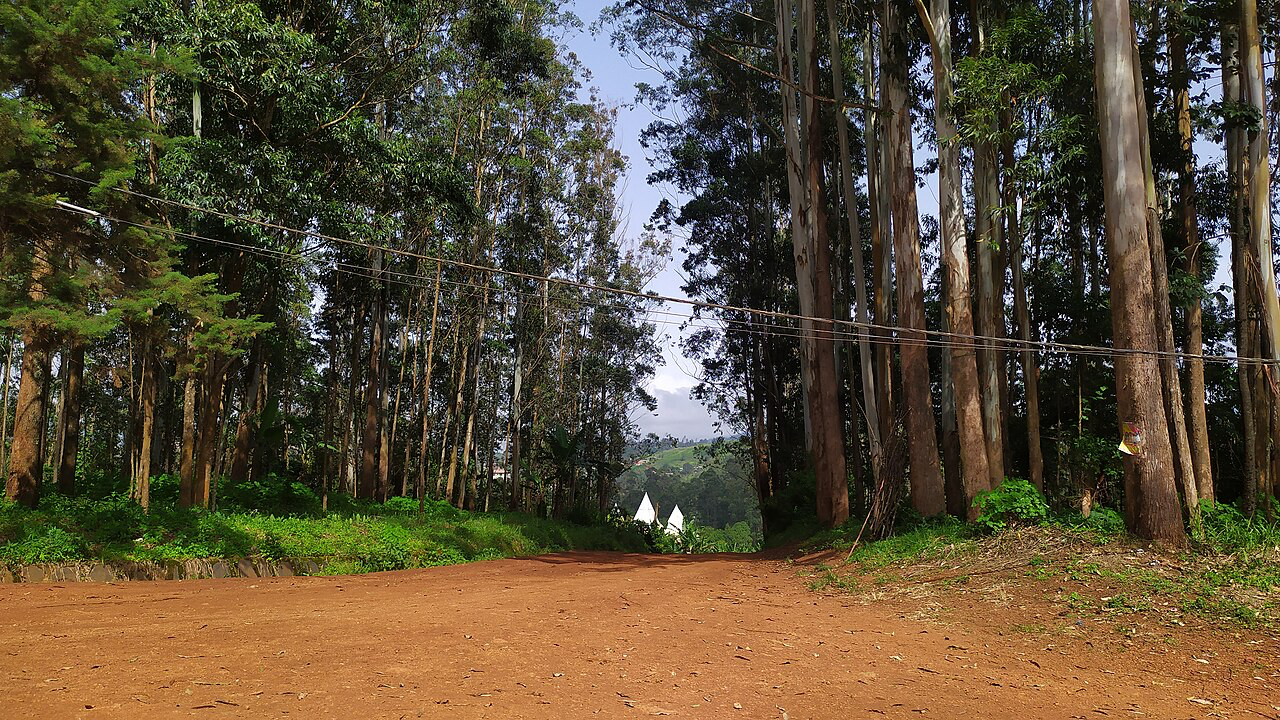

According to a new study, the spatial analysis of land cover in 24 sacred forests of western Cameroon reveals a decline of 10 % in natural forest between 1990 and 2023.
In Cameroon, particularly West Cameroon, sacred forests play a significant role in the cultural and spiritual life of the population. They are home to burial and initiation practices, ancestor communication, protection of the kingdom, cultural repositories, sites of sacred rituals or habitat of totemic animals.
Two main types of sacred forest are identified in the region: village sacred forests, used for individual or communal offerings, and chiefs’ sacred forests, which are linked to royal palaces where spiritual rituals and customary governance practices take place. For years, communities have used their sacred forest to invoke their gods or ancestral spirits.
But according to a new study, the spatial analysis of land cover in 24 sacred forests located across 20 villages of eight departments of the West region of Cameroon reveals a decline of 10 % in natural forest between 1990 and 2023. The team of researchers selected forests based on four main factors: representation of both types of sacred forest (village and chief’s forests), a minimum area of 0.5 ha, containing trees over 5 m height and availability of cartographic images for spatial analysis.
Direct deforestation
The scientists conducted a literature review to identify major land use types of pressures on forested lands, especially sacred forests and the preparation for data gathering. Spatial images of the sacred forests were then collected from Google Earth and Bing Maps. For each year, the team focused on the dry season for the image acquisition period to minimize the effect of clouds and better identify and balance spatial information.
During the field trip, the researchers measured and delimited the areas of each forest by walking along the boundary, taking GPS measures accompanied by a customary guardian appointed by the chief. “Observations of the state of vegetation were made using a structured guide which covered canopy cover, signs of degradation, and human disturbances such as tree felling, agricultural encroachment, firewood collection, bushfires, and harvesting of non-timber forest products, notably Prunus africana,” the team wrote.
Subscribe to our WhatsApp channel
“The direct observations of deforestation, resource use, and ecological changes were systematically recorded in field notebooks using a structured observation grid,” they added. To identify the pressures and threats of the sacred forests, they organized 20 focus groups meetings in each village next to a sacred forest (two villages had both chief and village sacred forests).
They also conducted eighty individual interviews: fifty with customary authorities (chiefs, notables, and forest guardians) and thirty with male and female community members. The respondents were selected based on the criteria of being a direct stakeholder; having a direct connection with the sacred forest; owning or managing land physically adjacent to the forest...
10,9% of loss in 23 years
The team found that among the 24 sacred forests, all experienced negative changes in their spatial area, with significant variations of decreases between − 0.6 % to − 49 %, and overall average forest loss over the 23 years of 10.9 %. “All sites show that between these three periods, there was ongoing degradation,” the scientists noted. “The trend from 1990 to 2023 shows a transition from forest to crop land.”
During their focus group discussion and interviews for example, they learned that changes in the area of sacred forests are primarily driven by high population growth and urbanization, leading to competing demands for land for forest, agriculture, and buildings. Secondly, 31 % of respondents indicated that degradation occurred in communities where sacred forests contain a range of socio-economically important products, which are unsustainably exploited.
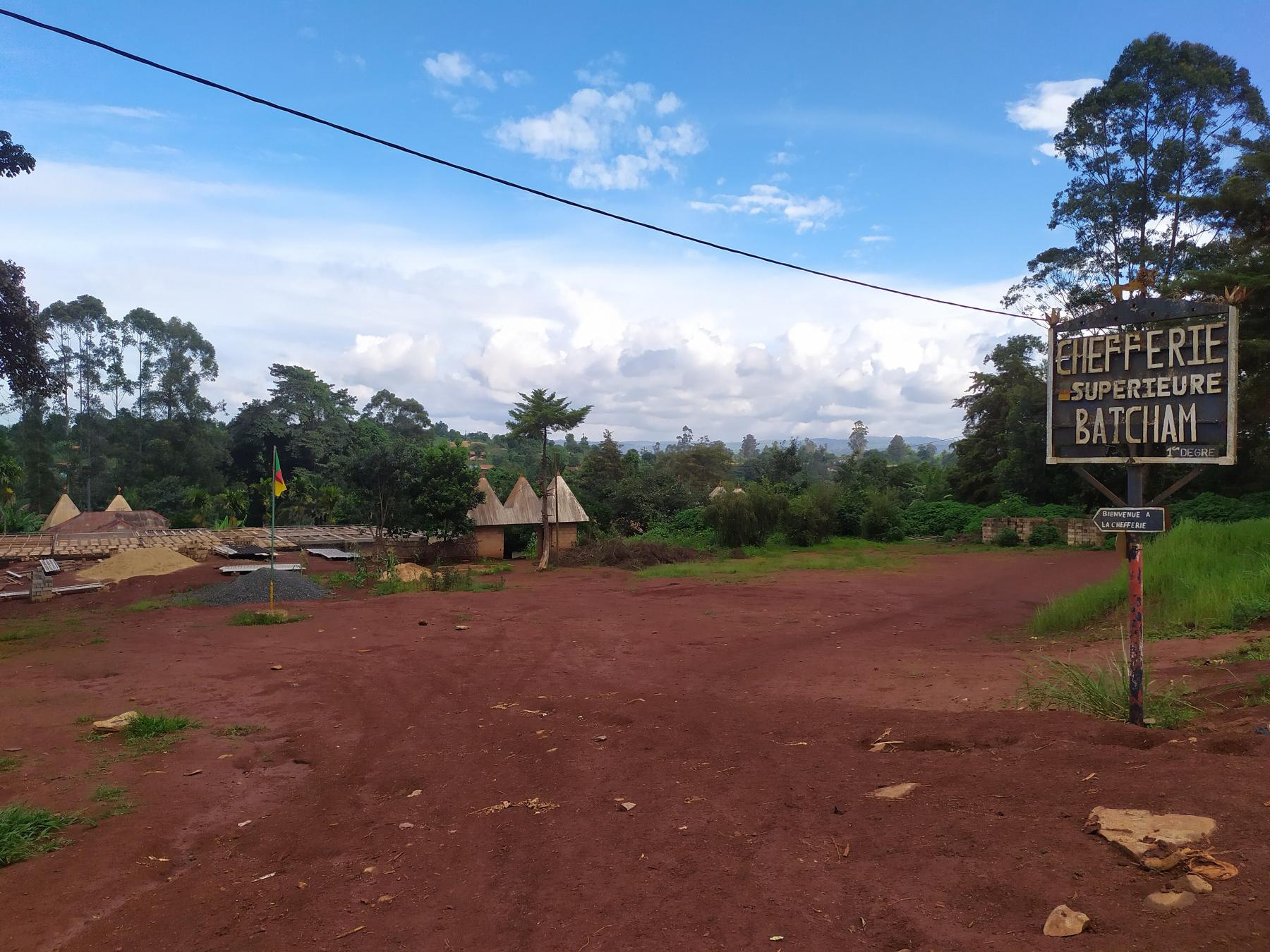
“An indirect driver of degradation is religion, mentioned by 89 % of respondents in the focus group discussions,” the study highlighted. In 75 % of the villages, communities now enter sacred forests in defiance of traditional prohibitions because of the erosion of traditions and traditional beliefs that once governed forest access.
"Before, no one dared to enter the sacred forest,” community members regretted. “Today, people go in freely even to cut down trees or set fires, and ’’Revival churches have taken precedence over our traditions; they urge people to stop showing interest in sacred forests."
For the scientists, “these findings highlight the urgent need to identify solutions to alleviate land and resource pressure, such as enhancing farming practices and yields, restoring degraded lands, and decreasing crop and food waste."
Josiane Kouagheu
Banner image: forest around the Foto chiefdom in the West region of Cameroon. Image by Serieminou via Wikimedia Commons.