Cameroonian Sahel : how small-scale producers face and adapt to climate change

According to a new study, climate change impacts have different perceptions from one village to another in the northern part of the country.
According to the International Monetary Fund, climate change is an “imminent threat to the people and economy of Cameroon”. “Overall, agriculture output is projected to lose between 6 to almost 14 percent by 2050 due to climate change,” the institution highlighted in a report published in 2024.
The document explained that major subsistence crops, including cassava, maize and rice have already experienced drop in yields due to climate-related factors. “For example, the maize yield in the Far North declined by over 20 percent in 1998-2012.”
Subscribe to our WhatsApp channel
The sudano-sahelian zone in the northern part of the country is particularly affected. The region experiences high climate variability: declining rainfall, rising temperatures, frequent droughts, floods, soil degradation, and biodiversity loss.
250 producers
According to the UN, 80% of agricultural land in this area is degraded. Lake Chad, which plays a crucial role in the region’s water balance, has lost 95% of its surface area over the past sixty years. In this context, small-scale producers who are often reliant on traditional practices are mostly impacted.
In a new study published in September 2025 in Agricultural & Rural Studies, a team of researchers from Cameroon and Morocco analyzed smallholder farmers’ perceptions of climate change in the sudano-sahelian region of Cameroon and examine the adaptive responses they implement, taking into account the lived experiences in five affected villages (Pintchoumba, Bamé, Bang, Gadas and Douroum).
The scientists conducted a survey and interviewed 250 producers (30 agro-pastoralists, 10 livestock farmers and 10 crop farmers per village). They found that 60% of participants perceive climate change through rainfall variability, rising temperatures, vegetation loss, and increased incidence of crop diseases. They discovered that perceptions and vulnerability levels vary by geographic location, gender, and livelihood.
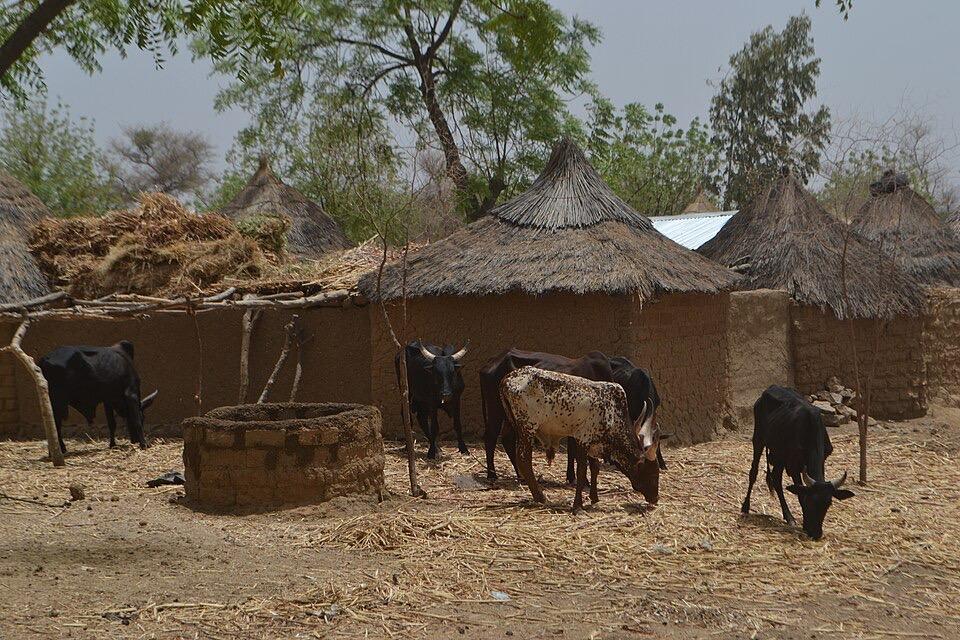
Oxen in the far north of Cameroon. Photo: Serieminou via Wikimedia Commons
At Pintchoumba, the team found that increasing rainfall irregularity and soil degradation have led to declining millet and sorghum yields, undermining food security and pushing farmers to diversify their crops. These climatic stresses also reduce fodder availability, weakening livestock health and productivity. “Consequently, both crop farming and animal husbandry are increasingly vulnerable, resulting in greater reliance on external food sources,” the study found.
Unstable incomes
At Bamé, prolonged droughts followed by sudden floods cause severe soil erosion, crop losses, and disruptions to the agricultural calendar. Farming households struggle to maintain stable production cycles, while livestock often suffers from disease outbreaks due to water contamination and insufficient pasture regeneration. These fluctuations lead to unstable incomes and food supplies for local populations.
In Bang, water scarcity for irrigation and livestock deeply affects agro-pastoral practices. Crop yields are steadily declining, particularly for rainfed cereals, while the lack of grazing areas and watering points threatens livestock survival. As a result, some households reduce herd sizes or sell animals prematurely. This dual pressure contributes to rising food insecurity and drives a shift toward non-agricultural income activities.
In Gadas, severe water shortages and accelerated soil degradation have resulted in reduced crop diversity and poorer pasture quality. Farmers report decreased yields of staple crops, while herders face declines in animal weight and reproductive performance. Water scarcity frequently triggers conflicts over access to wells and grazing corridors, destabilizing agro-pastoral systems.
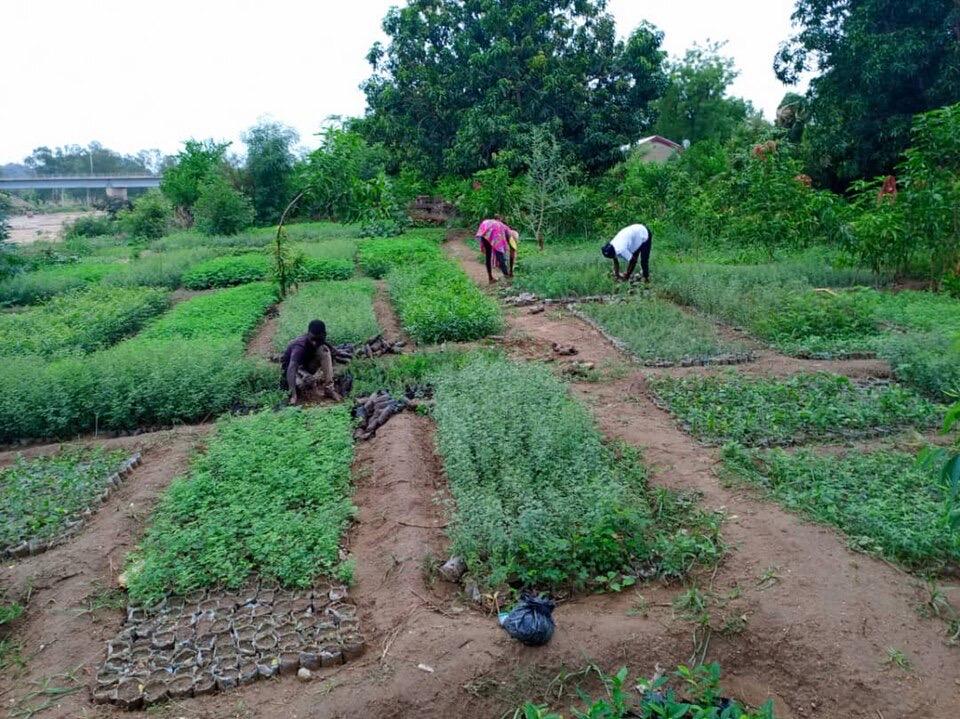
And in Douroum, located in the region’s most arid zone, conditions are extreme, with recurrent droughts, soil salinization, and a generalized decline in agricultural productivity. Farming is increasingly unsustainable, and livestock losses due to thirst, disease, and malnutrition are common. “The limited natural resource base intensifies competition between communities, increasing the risk of conflict and forced migration,” the scientists highlighted.
Perceptions
All the five villages are affected. But perceptions vary from one to another, “possibly due to personal experience, access to information, and available resources”. “The differences between the villages are notable, with Bamé having a higher perception of most phenomena, which could indicate greater awareness or a more significant impact of climate change in this village,” the team found. “Farmers, herders, and agro-pastoralists have different perceptions of climate phenomena, likely due to how each activity is affected by climate change.”
In Bamé for instance, the disappearance of trees/crops is perceived as a high phenomenon, likely due to deforestation and land degradation. Inundations are better perceived by farmers and herders in Bamé, due to its geographical situation while intense heat waves/droughts are more strongly perceived by agro-pastoralists in Pintchoumba, “which could be linked to the impact on pastures and livestock,” the team explained.
In some villages like Gadas and Douroum, perceptions are similar, “suggesting shared environmental and climatic stresses”. Faced with increasing drought, severe heat waves, and irregular rainfall, these sahelian communities continuously confront challenges that threaten both crop yields and pasture quality. “Soil degradation and infertility emerge as cross-cutting issues, further straining livelihoods and production capacities,” the scientists noted.
Strategies
To survive, these villages implemented many strategies such as crop substitution, acquisition of improved varieties, reforestation, construction of dikes, contour (furrow) cultivation, building animal shelters, spacing houses to reduce wind impact, planting windbreaks etc. According to the study, the adoption of climate adaptation strategies is closely linked to local contexts.
Villages with better access to water, improved seeds, and infrastructure, such as Gadas and Douroum, demonstrate higher uptake of collective and innovative approaches. Conversely, in areas marked by land use conflicts, high climatic stress, or limited resources, communities tend to adopt more accessible measures such as transhumance or crop substitution.
“These practices illustrate a remarkable adaptive capacity but also highlight the limitations of local knowledge when operating in isolation,” the team concluded. “Greater integration of traditional practices with scientific approaches is necessary to develop tailored, effective, and sustainable climate adaptation strategies.”
Josiane Kouagheu
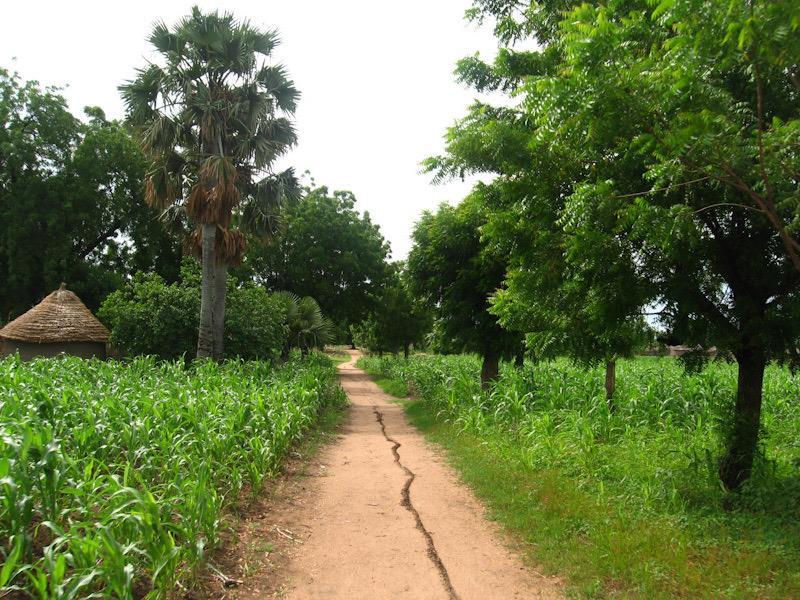
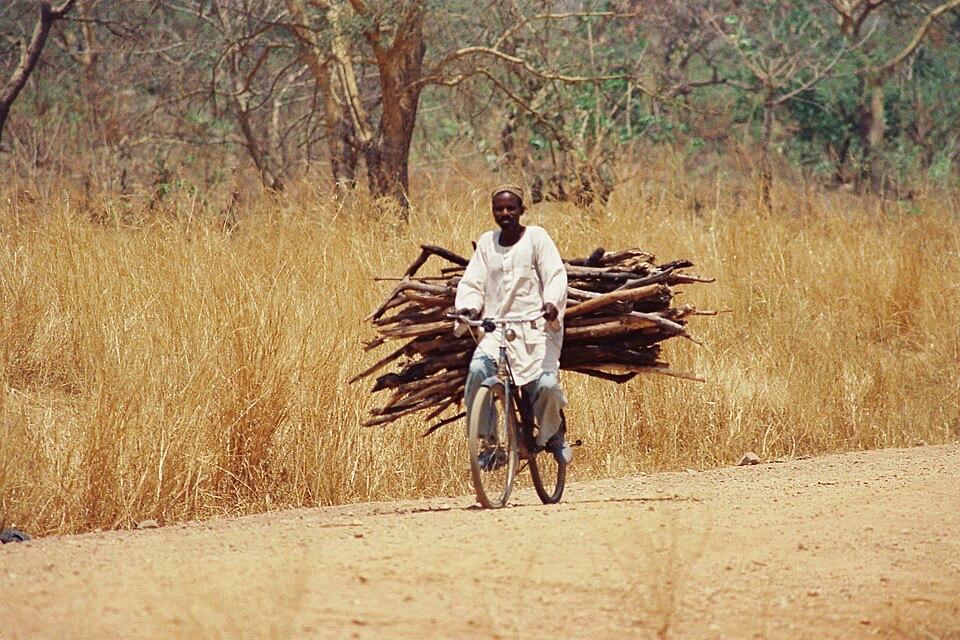
Banner image: Broui village in the far north of Cameroon. Photo by Niluje via Wikimedia Commons